

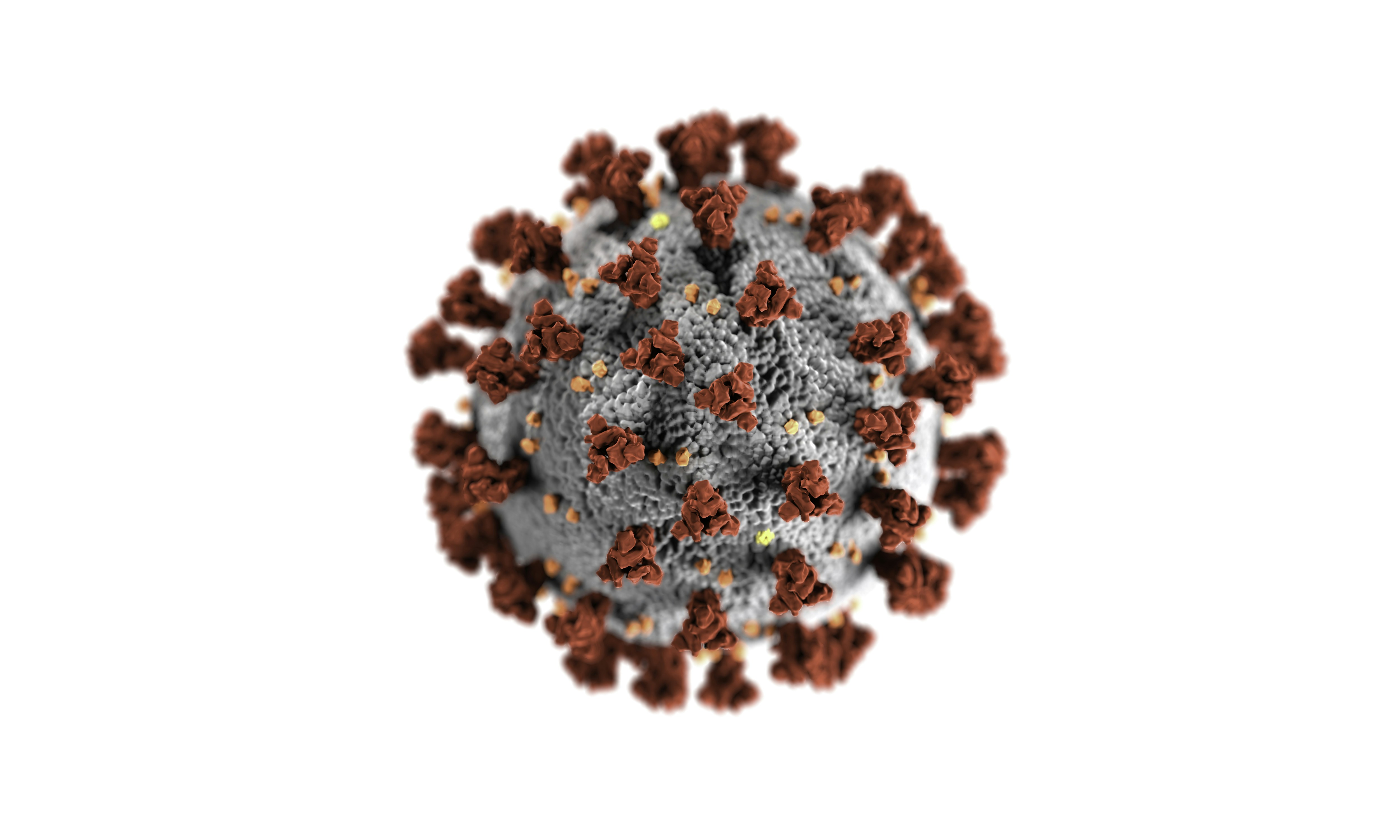
Introduction to Hepatitis C Virus
The Hepatitis C Virus (HCV) was first identified in 1989, marking a significant milestone in the understanding of liver diseases caused by viral infections. HCV is primarily responsible for causing Hepatitis C, an infectious disease that affects millions globally. The World Health Organization estimates that approximately 71 million people live with chronic HCV infection, underscoring the virus’s significance in global health. This viral infection can lead to severe liver complications, including cirrhosis and hepatocellular carcinoma, making it a critical public health concern.
HCV is transmitted primarily through blood-to-blood contact. This can occur through shared needles, contaminated medical equipment, and transfusions of infected blood products. Although sexual transmission is less common, it can occur, particularly in individuals with multiple sexual partners or with pre-existing HIV infections. Understanding these transmission modes is vital for implementing effective prevention strategies and health policies.
Once inside the body, HCV primarily targets liver cells, leading to inflammation and damage. In its acute phase, many individuals may exhibit no symptoms, often leading to a misdiagnosis or undiagnosed cases. However, chronic infection can develop in over 70% of cases, which may progress silently for decades, thereby increasing the risk of developing severe liver diseases. Recognizing the prevalence and health implications of HCV is essential in comprehending its genetic structure and how it interacts with host cells.
In summary, HCV poses a substantial threat to global health, necessitating further research and awareness. The understanding of its organization and structure at the genomic level becomes crucial in developing targeted therapies and vaccines designed to combat this persistent viral infection.
The Basics of Viral Genome Structure
A viral genome is the complete set of genetic material present in a virus, which dictates the virus’s ability to infect host cells and replicate. It typically consists of either DNA or RNA. Understanding the distinction between these two types of genomes is crucial, especially when examining various viral pathogens.
DNA viruses possess a genome that is composed of deoxyribonucleic acid, typically structured as a double helix. In contrast, RNA viruses, including the Hepatitis C virus (HCV), contain ribonucleic acid as their genetic material. RNA viruses can exhibit diverse genome structures, ranging from single-stranded RNA (ssRNA) to double-stranded RNA (dsRNA). HCV is categorized as a single-stranded RNA virus, which significantly influences its replication processes and pathogenic capabilities.
The significance of the genomic structure arises from its role in viral replication. In the case of RNA viruses, the genome must undergo processes such as translation and replication to produce viral proteins and new viral particles. HCV’s genome is approximately 9,600 nucleotides long and encodes a single polyprotein, which is subsequently cleaved into functional proteins necessary for the virus’s life cycle. The primary features of the HCV genome include open reading frames (ORFs) that delineate the coding regions, as well as untranslated regions (UTRs) that play pivotal roles in viral translation and replication.
Furthermore, the viral genome is instrumental in determining the virus’s pathogenicity and interaction with the host immune system. A clear understanding of the genome facilitates insights into how HCV evades host defenses and contributes to chronic infection. This genomic overview lays the foundation for a more thorough exploration of the Hepatitis C virus and its implications for public health.
HCV Genome Organization
The Hepatitis C virus (HCV) genome is comprised of a single-stranded RNA molecule that plays a critical role in the virus’s life cycle and pathogenicity. This genomic RNA traditionally spans approximately 9,600 nucleotides, which is relatively small compared to other organisms. However, its compact structure is highly efficient for encoding vital elements essential for the virus’s survival and replication.
The HCV genome is divided into distinct segments that include both structural and non-structural protein coding regions. The structural proteins, which include the core, envelope proteins E1 and E2, are crucial for virus assembly and entry into host cells. Specifically, the core protein encapsidates the viral RNA, while the envelope proteins facilitate viral infection by mediating attachment and fusion with the host cell membranes.
In addition to structural proteins, the HCV genome encodes several non-structural proteins including NS2, NS3, NS4A, NS4B, NS5A, and NS5B. These proteins are integral to viral replication and assembly processes. NS3, for example, possesses ATPase and protease activities necessary for processing viral polyproteins, while NS5B serves as the RNA-dependent RNA polymerase, the enzyme responsible for replicating the viral genome.
A crucial feature of the HCV genome organization is the presence of the 5′ and 3′ untranslated regions (UTRs). These UTRs are vital for regulating various aspects of the viral lifecycle, including RNA stability and translation. The 5′ UTR contains elements necessary for the initiation of translation, and its secondary structures play a role in the interaction with ribosomal machinery. Meanwhile, the 3′ UTR contributes to viral replication and the overall stability of the viral RNA.
Genomic Components of HCV
The hepatitis C virus (HCV) possesses a single-stranded RNA genome, which is approximately 9.6 kilobases in length. This genome is structured in a way that encodes both structural and non-structural proteins, essential for the virus’s life cycle and its ability to replicate within the host.
At the 5′ end of the genome, the proteins known as structural proteins are located, including the Core, E1, and E2 proteins. The Core protein plays a crucial role in the assembly of the viral particle and is integral to encapsulating the viral RNA. It is essentially the building block of the virion, helping to ensure the stability and infectivity of the virus. E1 and E2 are glycoproteins that are critical for viral entry into host cells. They facilitate the fusion of the viral envelope with host cell membranes, allowing for the subsequent release of the viral RNA into the cytoplasm of the host cell.
In addition to these structural components, HCV also encodes several non-structural proteins, which include NS2, NS3, NS4A, NS4B, NS5A, and NS5B. Each of these proteins plays a specific role in the viral life cycle. For instance, NS3 and NS4A form a protease complex necessary for the processing of viral polyprotein precursors. NS5A is involved in replication and is also implicated in evading host immune responses. Furthermore, NS5B is recognized as the RNA-dependent RNA polymerase that synthesizes viral RNA during the replication phase.
Understanding the organization and function of these genomic components is essential to elucidating the mechanisms of HCV pathogenesis, as well as the ongoing efforts to develop effective antiviral therapies. Each protein’s contribution to the virus’s ability to persist within host cells highlights the complexity of HCV and its interaction with the host immune system.
The Role of RNA Secondary Structure
The hepatitis C virus (HCV) exhibits a complex genome organization that is critical for its life cycle. Among various genome characteristics, RNA secondary structures play an essential role in governing the functionality of the viral genome. These structures, formed by specific base pairing and folding patterns in the RNA molecule, influence vital processes such as viral replication, translation, and immune evasion.
Research has identified several important motifs within the HCV genome that are integral for these functions. For instance, the presence of highly conserved stem-loop structures has been shown to enhance the efficiency of viral replication. These secondary structures not only stabilize the viral RNA but also facilitate the recruitment of host factors that are required for RNA synthesis. Additionally, specific RNA motifs may serve as recognition signals for host ribosomes, ultimately impacting protein translation rates and influencing overall viral fitness.
Furthermore, the strategic folding of HCV RNA contributes significantly to its virulence. By adopting conformations that can either inhibit or evade host immune responses, the virus optimally exploits its environment for survival. Certain RNA structures can mask critical viral epitopes, making it difficult for antibodies or immune cells to recognize and target the virus. This ability to alter RNA conformations not only aids in immune evasion but also assists HCV in establishing persistent infections, thus complicating treatment approaches.
The interplay between RNA secondary structures and viral processes underscores their importance in the genomic architecture of HCV. Understanding these complexities provides insight into potential therapeutic strategies focused on disrupting these structures to hinder the virus’s replication and enhance immune recognition, offering a promising avenue for future research.
HCV Variability and Evolution
The Hepatitis C Virus (HCV) is characterized by its remarkable variability, which poses significant challenges in the management and treatment of the infection. A key concept in understanding this variability is the idea of quasispecies. Quasispecies refers to a population of closely related viral variants that arise due to the high mutation rate of HCV during replication. This genetic diversity results from both synonymous and nonsynonymous mutations in its RNA genome. Synonymous mutations do not alter the amino acid sequence of proteins, while nonsynonymous mutations lead to changes that can affect the virus’s behavior and interaction with the host immune system.
The implications of HCV variability extend to treatment efficacy and vaccine development. The presence of numerous viral variants complicates the establishment of effective treatment regimens, as these variants may exhibit different responses to antiviral drugs. For instance, a treatment that is effective against one strain of HCV may be less effective against another, necessitating individualized treatment approaches. Moreover, the evolution of the virus can lead to resistance mutations, rendering previous treatment protocols ineffective.
Vaccine development also faces hurdles due to HCV’s genetic variability. The diverse nature of the viral population means that a vaccine effective against one genotype may not provide adequate protection against others, necessitating the development of broader-spectrum vaccines. This variability can impact public health efforts aimed at controlling HCV infection rates, as the continuously evolving nature of the virus can outpace existing prevention and treatment strategies.
Overall, understanding HCV variability and evolution is crucial for developing effective management strategies. Continued research in this area is essential to find innovative solutions to combat the challenges posed by HCV’s genetic diversity and to enhance the effectiveness of current treatment modalities.
Impact of Genome Organization on Treatment Responses
The genome organization of the Hepatitis C Virus (HCV) plays a critical role in influencing treatment responses, notably in the effectiveness of antiviral therapies. HCV’s genome is characterized by a single-stranded RNA structure, which contains distinct functional domains that are essential for viral replication and pathogenesis. The arrangement of these components can significantly affect how the virus responds to treatments, particularly direct-acting antivirals (DAAs) and interferon-based therapies.
Genetic variations within the HCV genome, including mutations in the coding regions, frequently confer resistance to specific antiviral agents. For instance, certain strains of the virus may harbor variations in the NS3/4A protease or the NS5A replication complex, which are targeted by various DAAs. These genetic adaptations can reduce the efficacy of these therapies, leading to virologic relapse in patients. Therefore, understanding the genomic structure allows healthcare providers to tailor treatment regimens based on the specific HCV genotype and its associated mutations.
The impact of genome organization extends beyond DAAs; it also influences the outcomes of interferon-based therapies. Interferon acts on the host immune response to combat viral infections, but its effectiveness may be compromised if the virus has evolved mutations that enable it to evade immune recognition. Insights into the genome organization can help predict which patients are more likely to achieve sustained virologic response (SVR) and thus guide the selection of the most appropriate therapeutic approach.
In conclusion, the intricate structure and organization of the HCV genome are pivotal in shaping treatment responses. By comprehensively examining these genetic factors, clinicians can improve patient management and optimize therapeutic outcomes in combatting Hepatitis C.
Current Research and Future Directions
Research surrounding the Hepatitis C virus (HCV) genome is rapidly evolving, with various studies focusing on its distinctive structural features and functions. Recent advancements in genomics have highlighted the significance of specific genomic elements, such as the internal ribosome entry site (IRES) and viral RNA secondary structures, in the virus’s life cycle. Understanding these components is crucial as it can inform therapeutic strategies and potentially lead to the development of effective vaccines.
Current research initiatives are examining the relationship between HCV genome organization and the virus’s ability to evade host immune responses. Scientists are utilizing state-of-the-art sequencing technologies to explore the viral quasispecies, which comprise various genetically distinct variants of HCV within an infected individual. This genetic diversity not only poses challenges for treatment but also provides insights into the mechanisms behind viral persistence and resistance to antiviral therapies. By mapping the intricate interplay between these variants and host factors, researchers aim to improve clinical outcomes for HCV patients.
In terms of future directions, the application of CRISPR technology offers promising avenues for genome editing, which could lead to innovative treatments aimed at targeting and eradicating HCV. Additionally, artificial intelligence is being employed to analyze large datasets related to HCV genomic sequences, which could uncover novel biomarkers for the disease, informing both diagnosis and prognosis. Furthermore, studies are increasingly focusing on the role of host genetics in HCV infection and treatment response, paving the way for personalized medicine approaches.
Overall, the combined efforts of virologists, immunologists, and geneticists hold the promise of transforming our understanding of HCV, providing new therapeutic avenues, and ultimately enabling the development of an effective vaccine against Hepatitis C.
Conclusion
In summary, the understanding of the Hepatitis C virus (HCV) genome organization and structure is pivotal in the ongoing battle against hepatitis C. The genetic framework of HCV, which comprises a single-stranded RNA genome, plays a significant role in its replication and pathogenesis. Insight into this intricate organization informs researchers and healthcare practitioners alike, enhancing their ability to develop targeted antiviral therapies and efficient vaccination strategies.
The knowledge gleaned from studying the HCV genome emphasizes the necessity of tailored treatment approaches. With the advancements in genomics and molecular biology, the development of direct-acting antivirals (DAAs) has revolutionized treatment. By understanding how variations in the genome impact viral behavior, healthcare providers can personalize treatment regimens, leading to improved patient outcomes and higher rates of sustained virological response.
Furthermore, recognizing the genomic structure of HCV holds implications for prevention campaigns. An informed public health response, including awareness initiatives and screening programs, is crucial in mitigating spread through informed choices. Staying abreast of developments in HCV research—particularly in genome sequencing and vaccine development—is important for both clinicians and patients alike.
Overall, this collective knowledge about the Hepatitis C virus genome stands as a beacon for future research endeavors, implicating not only advancements in treatment paradigms but also inspiring novel approaches toward global health initiatives aimed at reducing the burden of hepatitis C. As the scientific community continues to explore the complexities of HCV, it is vital that we remain vigilant in promoting education, prevention, and timely treatment.
