

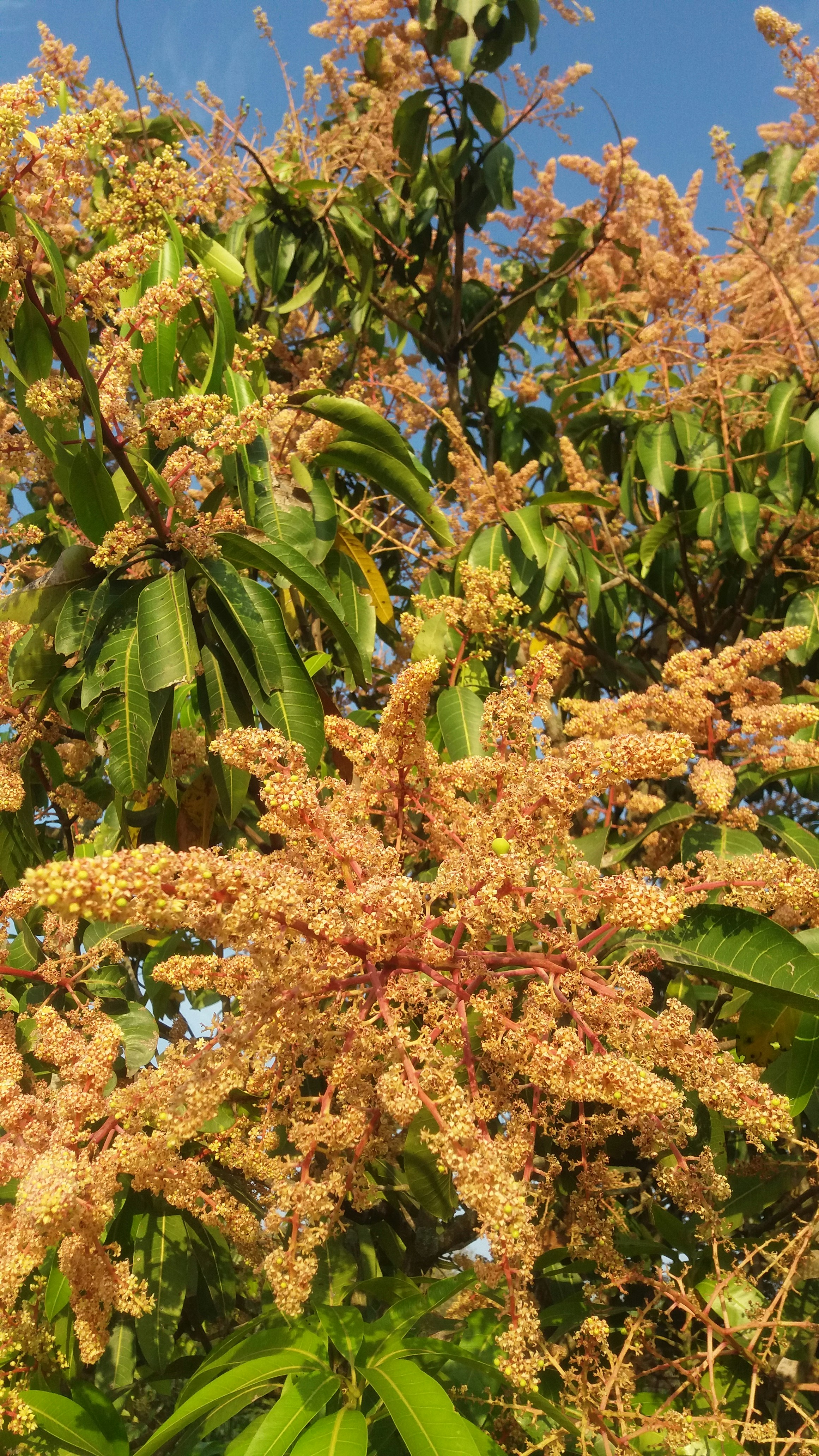
What is Mango Malformation Disease?
Mango Malformation Disease (MMD) is a significant threat to mango trees worldwide.
This condition is characterized by the abnormal growth of tissues, leading to malformation in the fruit and floral structures. The disease can affect the yield and quality of the mangoes, causing losses for farmers and impacting the supply within local and global markets.
Causes of Mango Malformation Disease
Mango Malformation Disease is primarily caused by a fungal pathogen called Fusarium sacchari. This pathogen invades the plant and disrupts normal growth patterns. Stress factors such as environmental conditions, poor soil health, and inadequate management practices can exacerbate the severity of MMD. Additionally, the disease may be vectored by specific insect species, further complicating the problem.
Impacts of Mango Malformation Disease
The impact of Mango Malformation Disease is felt across various levels. For growers, the economic consequences can be severe, as reduced quality and quantity of mangoes lead to lower market returns. Furthermore, MMD can affect the overall health of the tree, making it more susceptible to other diseases and pests. For consumers, the irregular shape and potential loss of mango production impact availability and prices in the marketplace.
🥭 Mango Malformation Disease (MMD)
| Aspect | Description | Details / Explanation |
|---|---|---|
| Disease Name | Mango Malformation Disease (MMD) | One of the most serious diseases affecting mango production |
| Causal Agent | Fungus | Mainly caused by Fusarium mangiferae |
| Host Plant | Mango | Affects Mangifera indica |
| Types of Malformation | Two types | 1. Vegetative malformation 2. Floral malformation |
| Vegetative Symptoms | Bunchy top | Shortened internodes, excessive branching, “witches’ broom” appearance |
| Floral Symptoms | Deformed panicles | Thick, compact, sterile flowers leading to no fruit formation |
| Mode of Spread | Airborne & infected material | Spores spread by wind, insects, and infected nursery stock |
| Favorable Conditions | Cool & humid climate | Enhances fungal growth and disease severity |
| Impact on Yield | Severe loss | Can cause up to 50–80% reduction in fruit production |
| Affected Plant Stage | All stages | More severe in young plants and flowering stage |
| Diagnosis | Visual + lab confirmation | Based on symptoms and fungal isolation |
| Management (Cultural) | Pruning | Remove and destroy infected parts to reduce spread |
| Management (Chemical) | Fungicides | Application of systemic fungicides like Carbendazim |
| Management (Hormonal) | Growth regulators | Use of NAA (Naphthalene Acetic Acid) to reduce symptoms |
| Resistant Varieties | Limited availability | Some cultivars show partial resistance |
| Economic Importance | High | Major constraint in mango-producing regions like South Asia |
📌 Summary
Mango Malformation Disease is a destructive fungal disease that mainly affects flowering and vegetative growth, leading to significant yield losses. Proper pruning, fungicide application, and management practices are essential for control.
