

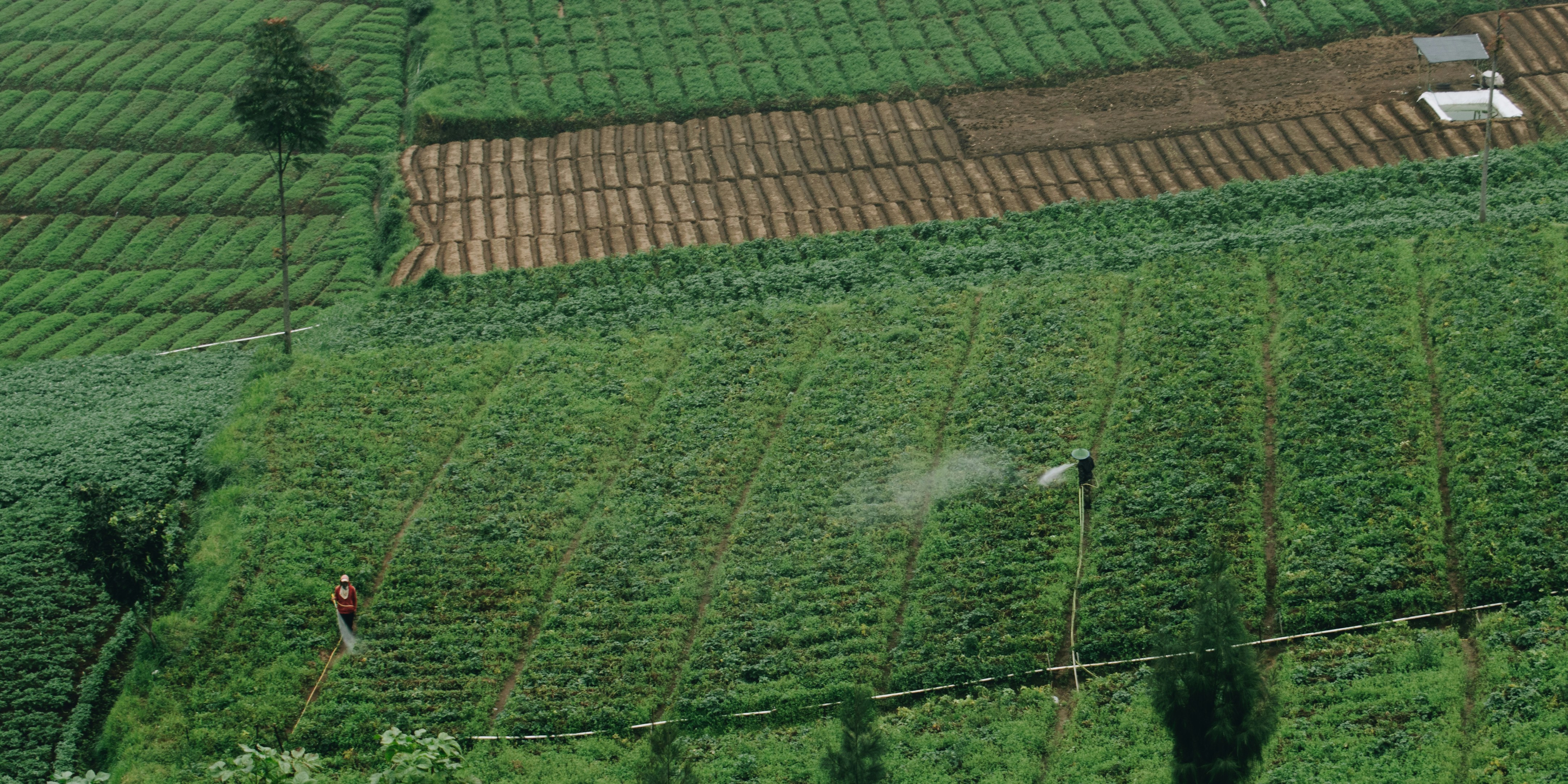
What is Agronomy?
Agronomy is a branch of agricultural science that focuses on the study of crops and the soils in which they grow. It encompasses a combination of various scientific disciplines, including biology, chemistry, ecology, and engineering, to enhance agricultural productivity through scientific principles. The primary goal of agronomy is to improve the efficiency of food production, ensuring that crops are not only resilient but also sustainable.
This discipline plays a critical role in modern agriculture by addressing the challenges of food security, resource management, and environmental conservation. Agronomists analyze plant physiology, genetics, and breeding while considering soil health, pest management, and climate conditions. This comprehensive approach leads to practices that enhance crop yield and quality, ensuring that farmers can meet the demands of a growing population.
Agronomy is significant because it integrates knowledge from various scientific domains to develop innovative agricultural techniques. These techniques may include crop rotation, cover cropping, and precision agriculture, which involve the use of data and technology to manage field variability. By applying these methods, agronomists help farmers increase productivity while minimizing the ecological footprint of agriculture.
Moreover, sustainable agronomic practices contribute to the preservation of soil health, which is essential for maintaining crop production over the long term. The focus on sustainable agriculture practices influences not only economic factors but also social aspects, helping communities thrive. With climate change posing new challenges to agricultural production, the role of agronomy becomes increasingly crucial as it seeks to create adaptive strategies that ensure resilient food systems.
The Role of Agronomists in Modern Agriculture
Agronomy is a critical field within agricultural science, focusing on the study and management of crops and soils. Agronomists play a pivotal role in enhancing agricultural productivity by applying various scientific principles to promote sustainable farming practices. Their responsibilities are multifaceted and encompass the development of innovative strategies that address the challenges posed by climate change, soil degradation, and the need for increased food production.
One of the primary responsibilities of agronomists is crop improvement. They work on breeding programs to develop new crop varieties that are more resilient to pests, diseases, and environmental stresses. This not only helps in maximizing yield but also reduces the reliance on chemical inputs, supporting the principles of sustainable agriculture. By employing biotechnology, agronomists can also enhance crops’ nutritional profiles, which is essential in combating malnutrition in various parts of the world.
Agronomists are also instrumental in managing agricultural resources efficiently. They conduct soil and water analyses to determine the best practices for irrigation and fertilization. This data-driven approach enables farmers to optimize their input usage, ultimately leading to improved crop yield and lower environmental impact. Additionally, agronomists are involved in developing crop rotation and cover cropping systems, which enhance soil fertility and prevent erosion.
The role of agronomists in modern agriculture extends to educating farmers and stakeholders about sustainable practices. They provide guidance on integrated pest management, conservation tillage, and organic farming techniques, ensuring that agricultural methods are environmentally sustainable and economically viable.
In conclusion, agronomists are essential in shaping the future of agriculture, addressing both productivity and sustainability. Their expertise not only enhances food security but also supports the overall health of ecosystems through responsible agricultural practices.
Key Concepts and Practices in Agronomy
Agronomy is a branch of agricultural science that focuses on the study of crops and the soils in which they grow. Within this field, several crucial concepts and practices converge to ensure crop production is both efficient and sustainable. One of the foundational elements of agronomy is soil health, which encompasses the physical, chemical, and biological properties of soil that allow it to function effectively as a medium for crop growth. Healthy soil is rich in organic matter and microorganisms, which contribute to nutrient cycling and water retention, vital for plant development.
Pest management is another critical aspect of agronomy that involves the monitoring and controlling of pests that can negatively affect crop yield. Integrated Pest Management (IPM) is a modern approach that combines cultural, biological, and chemical practices to minimize the impact of pests while reducing reliance on chemical pesticides. This approach is not only effective in managing pests but also aligns with sustainable agriculture principles by safeguarding beneficial organisms and reducing environmental harm.
Crop rotation stands out as an effective agricultural practice that enhances soil fertility and disrupts pest and disease cycles. By alternating different crops in a sequence, farmers can improve soil structure and nutrient levels while reducing the risk of crop failure due to pests or diseases that favor specific crops. Additionally, this practice ensures that soil remains productive over time, which is essential for sustainable farming.
Finally, sustainable agricultural practices are at the forefront of modern agronomy. Techniques such as conservation tillage, cover cropping, and organic farming not only bolster crop productivity but also protect natural resources. These innovations demand a holistic approach to farming, recognizing the interconnectedness of agricultural practices and their environmental impact.
The Future of Agronomy and Its Impact on Food Security
The future of agronomy is poised to significantly influence food security, driven by advancements in technology and a deeper understanding of agricultural processes. As the global population continues to grow, the demand for food increases, necessitating innovative solutions to enhance crop production and efficiency. One key trend shaping the future of agronomy is the adoption of precision agriculture, which utilizes technology such as GPS, IoT devices, and drones to monitor crop health and optimize resource use. By leveraging data analytics and real-time information, farmers can make informed decisions leading to better yields, reduced waste, and improved sustainability.
In addition, biotechnology plays a crucial role in the evolution of agronomy. Advances in genetic engineering are resulting in the development of crop varieties that are more resilient to climate change, pests, and diseases. These genetically modified organisms (GMOs) can help stabilize food production in regions facing environmental challenges, contributing to enhanced food security. Furthermore, research initiatives focused on soil health and biodiversity underscore the importance of sustainable farming practices that aim to preserve ecosystems while increasing agricultural output.
The implementation of these technological and scientific advancements in agronomy has far-reaching implications for food security worldwide. Enhanced agricultural practices can lead to decreased reliance on chemical inputs, promoting healthier ecosystems and mitigating the impacts of global warming. Additionally, the potential to produce more food with fewer resources will be crucial in addressing the challenges associated with feeding a rapidly growing population.
In conclusion, the future of agronomy is closely interwoven with food security, sustainability, and technological innovation. As the industry continues to evolve, agronomy will remain at the forefront of efforts to ensure that food systems are resilient, productive, and capable of meeting global demands.
