

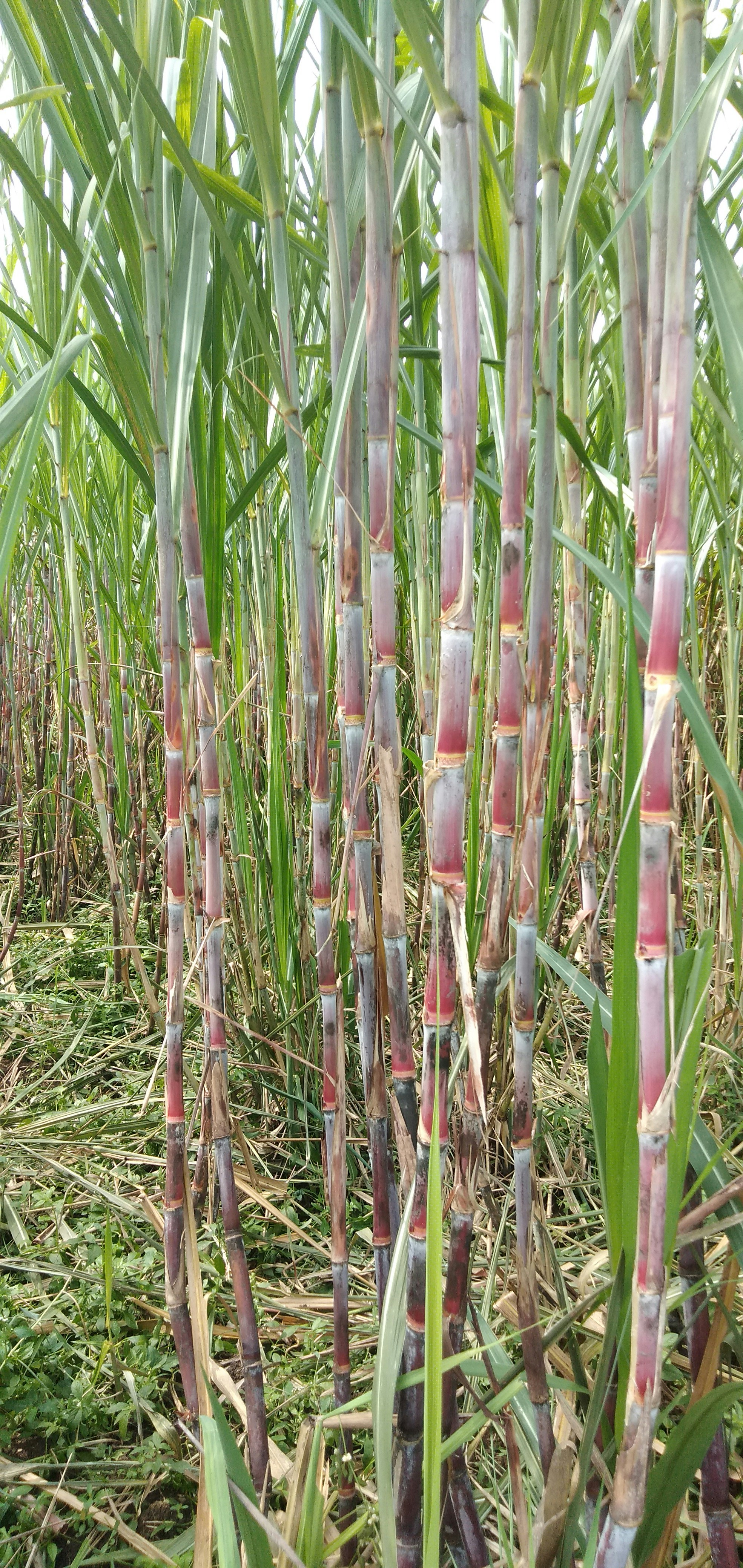
Introduction to UAF’s Innovations
The University of Agriculture Faisalabad (UAF) has made a significant advancement in sugarcane cultivation with the development of two new high-yielding varieties. These varieties, named insect-resistant transgenic sugarcane (CABB-IRS) and herbicide-tolerant transgenic sugarcane (CABB-HTS), have recently received approval for field trials from the National Biosafety Committee (NBC) under the Ministry of Climate Change, Islamabad.
Background and Development
Led by Prof. Dr. Muhammad Sarwar, Dean of the Faculty of Agriculture at UAF, his team from the Centre of Agricultural Biochemistry and Biotechnology have pioneered these varieties to combat significant challenges in sugarcane farming. The Vice Chancellor of UAF, Prof. Dr. Iqrar Ahmad Khan, has expressed optimism that these innovations will serve as a turning point in increasing sugarcane yield per acre.
The Importance of Sugarcane in Pakistan
Sugarcane is crucial as it fulfills approximately 70% of the world’s sugar requirements and is emerging as a potential bioethanol source. Pakistan ranks as the fifth-largest grower but is only the eleventh largest producer of sugarcane globally. While the country witnessed a production boost to 88.65 million tons in 2021-2022 from 81.009 million tons the previous year, the average yield remains at a mere 45-50 tons/ha, well below the global average of around 60 metric tons/ha.
Severe yield limitations are attributed to invasive weeds and insect pests, which can lead to losses of up to 50%. The innovative use of cry proteins derived from Bacillus thuringiensis, alongside non-selective herbicides, offers remarkable benefits in managing these challenges. The successful deployment of CABB-IRS and CABB-HTS could significantly enhance productivity and sustainability in Pakistan’s essential sugarcane sector.
