

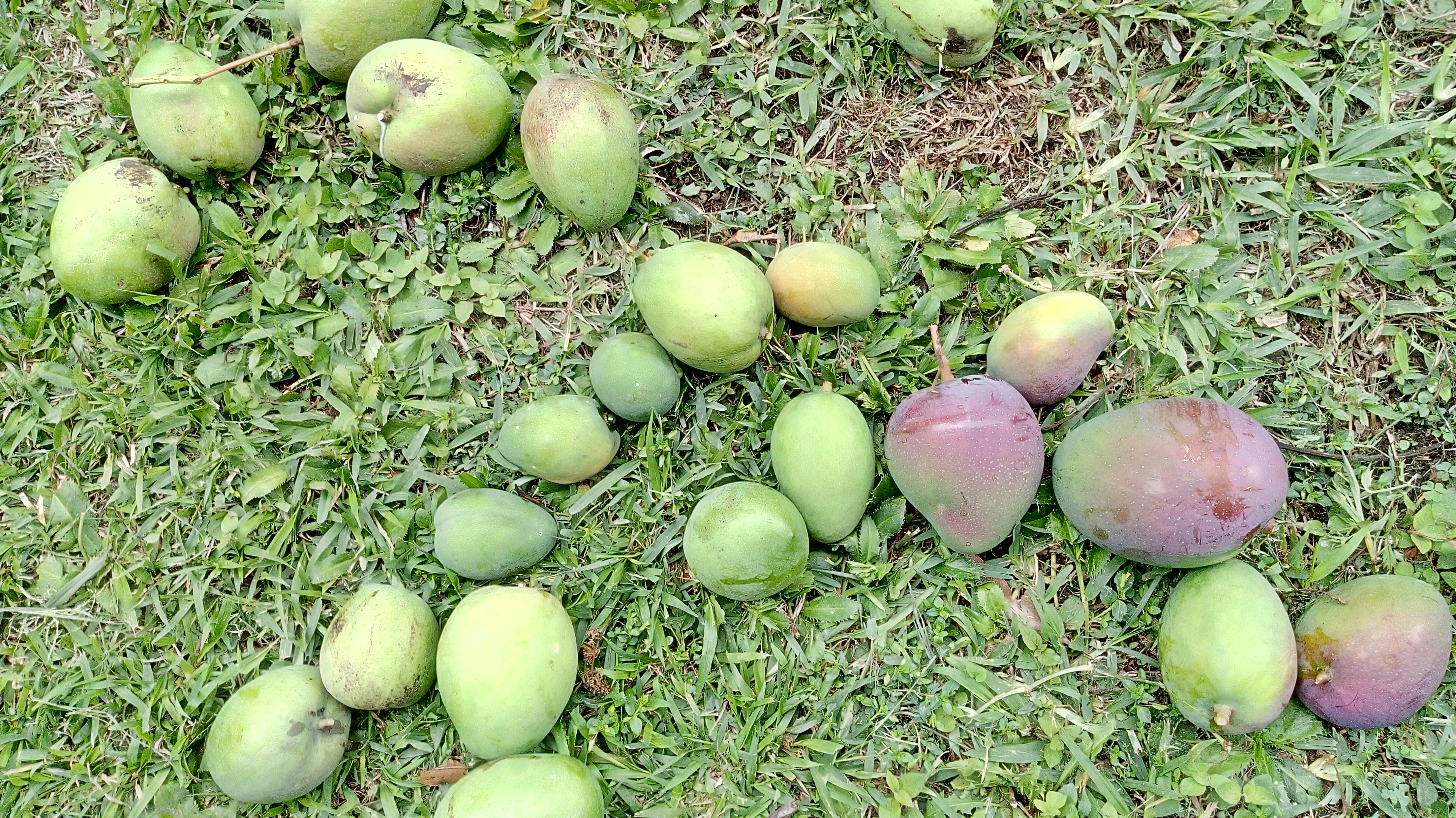
Introduction to Mango Malformation
Mango malformation is a serious issue affecting mango crops, particularly in regions like Multan. This condition is characterized by abnormal growths or deformities, impacting fruit quality and yield. Understanding the causes and methods to control this disease is essential for farmers and growers in the region.
Causes of Mango Malformation
The primary causes of mango malformation include viral infections, environmental stress, and improper agricultural practices. Viruses, particularly the Mango malformation virus (MdMV), lead to the development of malformed flowers and fruits. Poor management practices, such as inadequate irrigation and neglect of soil health, can also exacerbate the problem. Recognizing these factors is crucial for effective management.
Control Strategies
To control mango malformation in Multan, it is vital to implement an integrated management approach. Start by selecting resistant mango varieties that can withstand disease pressures. Regular monitoring of plants for early signs of malformation can help in taking timely action. Moreover, promoting good agricultural practices, such as proper pruning and soil health management, ensures that trees remain robust and less susceptible to disease. Additionally, local agricultural extension services can provide valuable information on the latest strategies for managing this issue.
In conclusion, addressing mango malformation in Multan requires a combination of awareness, good practices, and continuous learning. By implementing effective control strategies, mango farmers can protect their crops and ensure better yields.
