

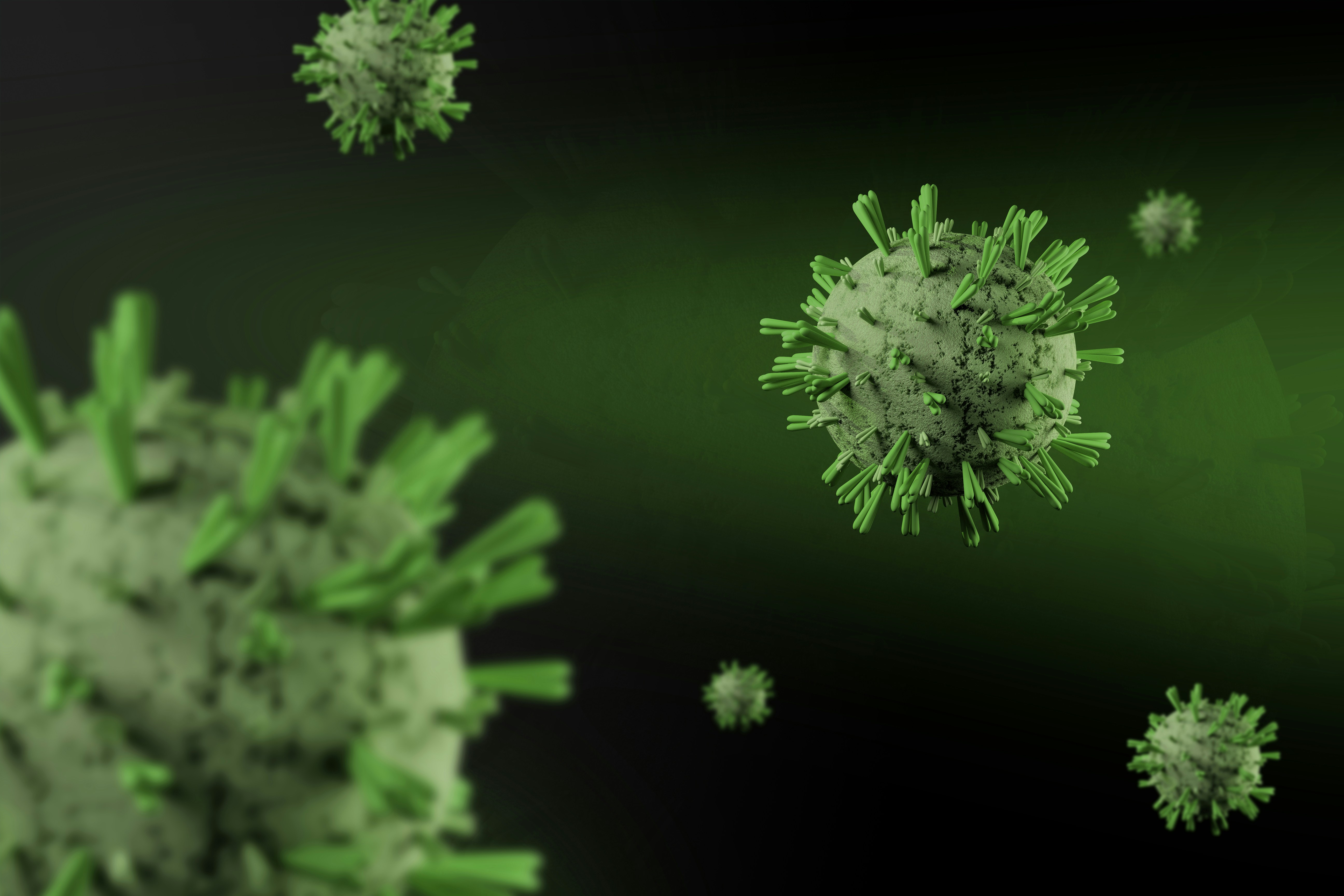
Understanding Virology
Virology is a specialized branch of microbiology that focuses on the study of viruses and their effects on living organisms. The field has gained significant relevance in recent years, especially due to the global resurgence of viral diseases, prompting a need for enhanced understanding of viral behavior, structure, and interaction with hosts. Given the implications of viruses on public health, virology plays a crucial role in the development of various medical interventions, including vaccines and antiviral therapies. Understanding the significance of this field is essential for addressing infectious disease outbreaks and controlling their spread.
The study of viruses encompasses various aspects, including their classification, structure, and life cycle. Viruses, although simple in structure, possess unique characteristics that differentiate them from other microorganisms, mainly due to their reliance on host cells for replication. This dependence not only highlights the intricate relationship between viruses and living organisms but also illustrates the challenges and opportunities faced in treating viral infections. In light of these factors, the field of virology has contributed extensively to medical advancements, especially in the creation of effective vaccines that combat viral diseases. The development of vaccines has fundamentally altered the public health landscape, significantly reducing morbidity and mortality associated with viral infections.
The history of virology dates back to the late 19th and early 20th centuries, beginning with the discovery of viruses and leading to significant milestones such as the invention of the electron microscope, which allowed for the visualization of viruses. Key figures in this field have shaped our understanding of viral pathogenesis and contributed to the development of diagnostic tools and treatment strategies. Studying virology is essential not only for comprehending viral genetics and evolution but also for managing current and future viral threats to global health.
What Are Viruses?
Viruses are unique entities that belong to the realm of microbiology, often considered as borderline between living and non-living forms. Unlike bacteria and fungi, which are cellular organisms characterized by complex structures and metabolic processes, viruses are fundamentally acellular. This distinction means that viruses do not possess the cellular machinery necessary for metabolism, reproduction, or independent survival. Rather, they are composed of a core of nucleic acid, either DNA or RNA, encased in a protein coat called a capsid, and in some cases, surrounded by a lipid envelope. This simple structure underscores their dependence on host cells for replication.
The defining characteristic of viruses is their inability to replicate independently. They require a living host cell to reproduce, hijacking the host’s cellular machinery to produce new viral particles. This host dependency is what sets viruses apart from other microorganisms like bacteria, which can grow and reproduce on their own in a variety of environments. Additionally, viruses lack cellular structures such as organelles, which further emphasizes their acellular nature.
Furthermore, in terms of size, viruses are significantly smaller than bacteria and fungi, typically ranging from 20 to 300 nanometers. Such small dimensions contribute to their unique methods of transmission and survival strategies. For instance, they often disperse in the air or through bodily fluids, establishing infections in a manner distinct from larger microorganisms. The study of viruses encompasses virology, an essential branch of microbiology that explores the nature, classification, and impact of these microorganisms on health, agriculture, and industry.
Types of Viruses
Viruses can be categorized into several types based on their structural characteristics and the nature of their genetic material. The two primary classifications are DNA viruses and RNA viruses, with an additional distinct category known as retroviruses.
DNA viruses possess deoxyribonucleic acid as their genetic material. They can be further divided into two groups: double-stranded DNA (dsDNA) viruses and single-stranded DNA (ssDNA) viruses. Notable examples of dsDNA viruses include the Herpesviridae family, which encompasses viruses such as Herpes Simplex Virus and Varicella-Zoster Virus. In contrast, ssDNA viruses, such as the Parvoviridae family, are typically known for their simpler structure, yet they can still cause significant disease in humans and animals.
On the other hand, RNA viruses are characterized by ribonucleic acid as their genetic material. Similar to DNA viruses, they can be categorized into double-stranded RNA (dsRNA) viruses and single-stranded RNA (ssRNA) viruses. The latter can be further classified into positive-sense and negative-sense ssRNA viruses. Influenza viruses are examples of negative-sense ssRNA viruses, while rhinoviruses, which are significant contributors to the common cold, fall under the positive-sense category.
Retroviruses represent a unique type of RNA virus that possess the capability to transcribe their RNA into DNA upon infection of a host cell using the enzyme reverse transcriptase. The most recognized member of this group is the Human Immunodeficiency Virus (HIV), which can lead to Acquired Immunodeficiency Syndrome (AIDS). Retroviruses’ ability to integrate their genetic material into the host genome underscores their complexity and potential for causing severe diseases.
Overall, distinguishing between these types of viruses aids in understanding their specific characteristics and the diseases they may cause, thereby enhancing virology research and clinical treatment strategies.
Virus Structure
Viruses are unique entities that are fundamentally different from living organisms, and their structure is integral to their function and ability to infect host cells. The primary components of a virus include the capsid, which is a protein shell that encases the viral genetic material, and, in some cases, an outer envelope.
The capsid is composed of protein subunits called capsomers, which assemble in a specific geometric arrangement to form a protective barrier around the viral genome. This arrangement not only provides stability to the virus but also plays a pivotal role in determining the virus’s shape, which can be helical, icosahedral, or complex. The integrity of the capsid is crucial for the infectivity of the virus since it protects the genetic material from degradation by environmental factors and host defenses.
In addition to the capsid, some viruses possess an outer lipid envelope, acquired from the host cell membrane during the budding process. This envelope is studded with viral proteins, often termed glycoproteins, that are essential for attaching and entering host cells. The presence of the envelope can influence the virus’s stability outside the host and its susceptibility to disinfectants. Enveloped viruses tend to be more fragile than their non-enveloped counterparts, as they are more sensitive to environmental changes.
The viral genetic material, which can be either DNA or RNA, is housed within the capsid and is critical for the virus’s replication. Upon entering a host cell, the genetic material is released, initiating the hijacking of the host’s cellular machinery to produce new viral particles. Understanding the structural components of viruses is essential for developing antiviral strategies and vaccines, as these structures are often the main targets for therapeutic interventions.
Virus Classification and Nomenclature
Virus classification is a critical aspect of virology, aiding researchers and healthcare professionals in understanding the diverse family of viruses, their biology, and the diseases they may cause. The tasks associated with this classification are primarily governed by the International Committee on Taxonomy of Viruses (ICTV), which establishes a systematic framework for the naming and grouping of viruses based on specific criteria.
Viruses are classified according to various factors, including their genetic material. They are primarily divided into two categories – DNA viruses and RNA viruses. Within these categories, further subdivisions may be based on whether the genetic material is single-stranded or double-stranded. For instance, the family Herpesviridae comprises double-stranded DNA viruses, while Retroviridae consists of single-stranded RNA viruses. Such determinations are essential in not only categorizing the viruses but in anticipating their behavior and method of replication.
Another classification criterion is the mode of transmission. Viruses can be transmitted through several means, such as respiratory droplets, direct contact, or vectors like mosquitoes. This aspect is pivotal in understanding how viruses spread within populations. Furthermore, structural properties including shape, presence of an envelope, and size also play vital roles in their classification. Enveloped viruses, for example, exhibit different susceptibilities to disinfectants compared to non-enveloped viruses, implications that are significant in public health practices.
The nomenclature of viruses follows specific conventions that aim to provide clarity and consistency. Most viral names reflect either their disease association or their geographical origin. For example, the term ‘influenza virus’ incorporates the disease it causes, while ‘ebola virus’ signifies its discovery in the Ebola River region. Through a systematic classification, virologists continue to enhance the understanding of viral diversity and assist in developing targeted interventions against viral infections.
Virus Life Cycle
The virus life cycle is a complex and fascinating process composed of several distinct stages: adsorption, penetration, uncoating, replication, assembly, and release. Understanding these stages is crucial for comprehending how viruses infect host cells and reproduce.
Initially, the cycle begins with adsorption, where the virus attaches itself to the surface of a susceptible host cell. This attachment is mediated by specific interactions between viral surface proteins and receptor molecules on the host cell membrane. This specificity often determines the types of cells a virus can infect, making it a vital step in the viral life cycle.
Once attachment occurs, the virus enters the penetration phase, which involves the entry of the viral particle into the host cell. There are several mechanisms through which viruses can penetrate, including direct fusion with the host membrane or endocytosis, where the cell engulfs the virus in a vesicle. The method of penetration can affect the subsequent uncoating process.
The next step is uncoating, during which the virus’s capsid is removed, releasing its genetic material into the host cell’s cytoplasm. This step is critical as it allows the viral genome to access the cellular machinery needed for replication.
Following uncoating, the virus undergoes replication. The viral genome is transcribed and translated utilizing the host’s ribosomes and enzymes to produce viral proteins and replicate its genetic material. This phase ultimately leads to the production of new viral particles.
After replication, the assembly stage begins, in which newly synthesized viral components are packaged into new virions. This occurs within the host cell, utilizing its machinery for protein synthesis and membrane processing. Finally, the virus reaches the release phase, where the newly formed virions exit the host cell. This can happen through lysis, where the host cell is destroyed, or through budding, where the virus acquires its envelope from the host cell membrane.
Mechanisms of Viral Replication
Viruses have evolved diverse mechanisms to replicate their genetic material and produce new virions, relying primarily on the host cell’s machinery. This dependence on host cellular processes is a defining characteristic of viral replication. The process typically begins when a virus attaches to a host cell, facilitated by specific interactions between viral proteins and receptors on the cell surface.
Once inside the host cell, the viral genome is released and commandeers the cell’s machinery to initiate replication. There are several mechanisms by which viruses can replicate their genetic material, most commonly through three main pathways: the lytic cycle, the lysogenic cycle, and through the use of RNA-dependent RNA polymerases.
In the lytic cycle, the virus takes over the host’s transcription and translation machinery, leading to the synthesis of viral proteins and replication of the viral genome. This culminates in the assembly of new virions, which eventually leads to cell lysis and the release of viral particles to infect adjacent cells. Conversely, the lysogenic cycle allows the viral genome to integrate into the host’s DNA, remaining dormant until triggered to activate, at which point it shifts to the lytic phase.
Another critical aspect of viral replication is seen in RNA viruses, which often use RNA-dependent RNA polymerases to synthesize their respective RNA genomes. This process varies significantly across different viral families, such as positive-sense and negative-sense RNA viruses, which dictate the direction of replication and the complementary strands produced.
Understanding these mechanisms is vital, not only for comprehending viral biology but also for developing antiviral therapies and vaccines. By targeting specific stages of the viral replication cycle, researchers aim to disrupt the life cycle of these pathogens, thus curbing viral infections effectively.
The Role of Host Cells in Viral Replication
Viruses are obligate intracellular pathogens, meaning they require a host cell to replicate and propagate. The process of viral replication begins when a virus successfully attaches to a suitable host cell, identifying specific receptors on the cell surface that facilitate entry. This initial interaction is critical, as different viruses have evolved unique mechanisms to exploit various host cell types, ensuring their survival and replication success.
Once inside the host cell, a virus hijacks the host’s cellular machinery. This includes utilizing the host’s ribosomes, enzymes, and metabolic pathways to synthesize viral components and genome replication. For instance, viruses typically uncoat their capsid—a protective protein shell—allowing the viral genetic material to access the host’s transcription and translation systems. The host cell’s mechanisms are thus repurposed to produce new viral particles, essentially converting the cell into a virus-producing factory.
The immune response of the host plays a crucial role in mitigating viral infections. Upon recognizing the presence of a virus, cellular and humoral immunity is activated. This may involve the production of antibodies, activation of cytotoxic T-cells, and the production of interferons that act to inhibit viral replication. However, viruses have developed various strategies to evade these immune responses, such as altering their surface proteins or inhibiting the signaling pathways relevant to the immune system. This interplay between virus and host not only determines the outcome of the infection but also influences the host’s overall health.
Consequences of viral infections in host cells can range from mild to severe. Some viruses may cause cell death, leading to tissue damage and disease, while others may integrate into host DNA and remain dormant, leading to latent infections. Understanding the interactions between viruses and host cells is essential for developing effective antiviral therapies and vaccines, ultimately improving disease prevention and treatment strategies.
The Importance of Virology Research
Virology research plays a critical role in addressing public health challenges posed by viral infections. Throughout history, viruses have caused significant outbreaks, leading to widespread morbidity and mortality. Understanding the mechanisms through which viruses operate enables researchers to develop effective preventive strategies and therapeutic options. This field of study is essential for the development of vaccines, which have proven paramount in controlling viral diseases such as measles, polio, and the influenza virus. The successful design of vaccines stems from an in-depth understanding of viral structure and replication processes.
Moreover, virology research is crucial for comprehending viral pathogenesis, which encompasses the processes by which viruses cause disease. Investigating how viruses interact with the host’s immune system provides valuable insights into disease progression and severe manifestations in infected individuals. This knowledge is instrumental in informing public health policies and responses during outbreaks. It allows for a better allocation of resources and aids in designing effective containment strategies.
Despite the advancements made in virology, researchers face numerous challenges. Emerging viral pathogens, such as novel coronaviruses and zoonotic viruses, continue to threaten global health. The rapid mutation rates of some viruses complicate vaccine development and effectiveness. Additionally, the disparity in healthcare infrastructure among different regions affects the ability to respond swiftly and efficiently to viral outbreaks. Future directions in virology research must focus on innovative surveillance methods, enhanced vaccine platforms, and global collaboration to combat these persistent threats.
