

Introduction to Kitchen Gardening and Its Importance
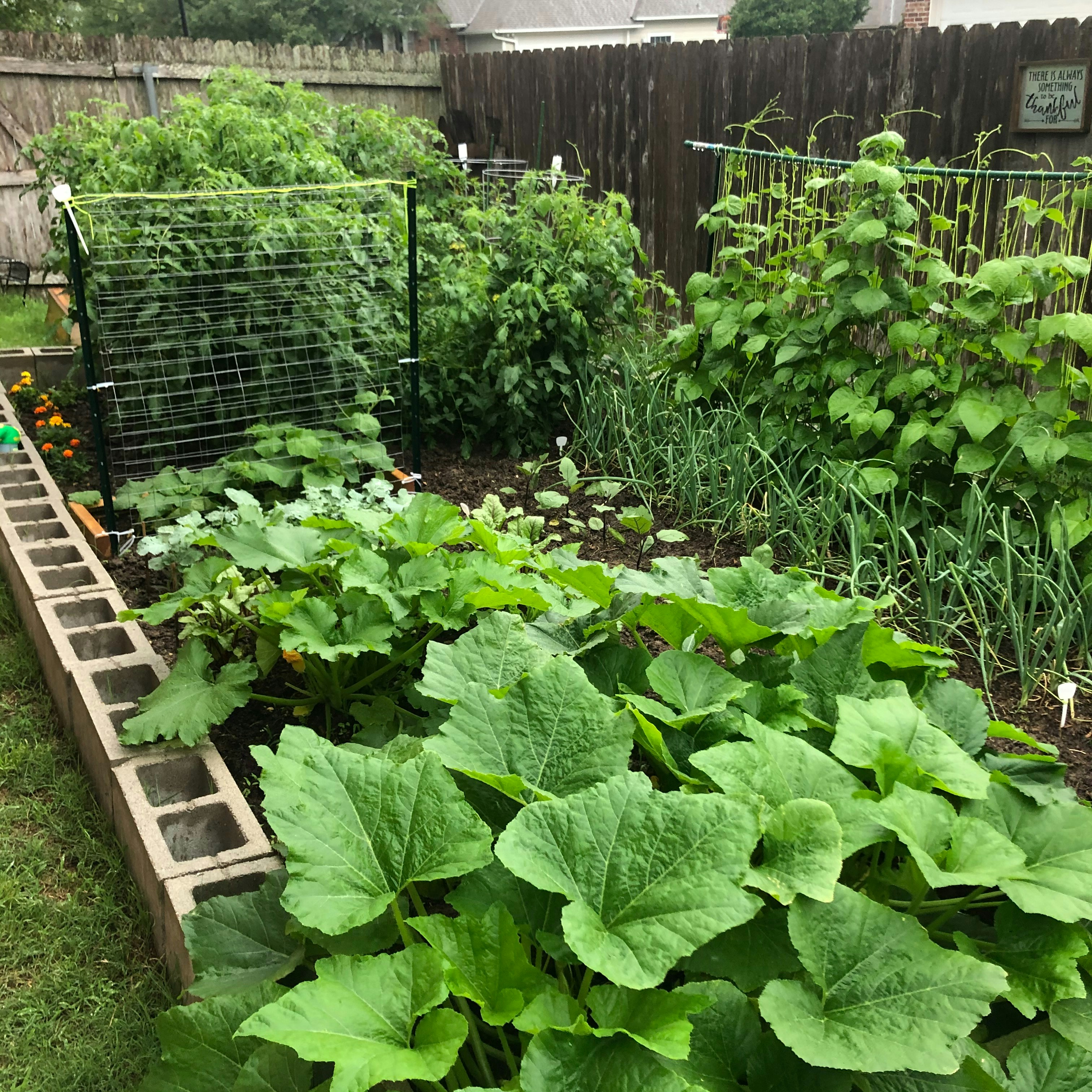
Kitchen gardening, often referred to as home gardening, involves the cultivation of edible plants within residential spaces. This practice has gained significant traction in urban areas, particularly in cities like Lahore, where the limited availability of land compels residents to innovate in how they produce food. Kitchen gardening not only encourages individuals to grow their own fruits and vegetables but also fosters a deeper connection with nature, which is often overlooked in fast-paced urban lifestyles.
The importance of kitchen gardening extends beyond personal satisfaction; it offers numerous advantages that resonate with modern lifestyles. Firstly, home-grown produce contributes immensely to public health. With concerns about pesticides and chemical fertilizers prevalent in commercially grown vegetables, cultivating one’s own garden assures residents of the purity and safety of their food. Freshly harvested crops are undoubtedly more nutritious than their store-bought counterparts, promoting better health outcomes for families.
In addition to health benefits, kitchen gardening is also a cost-effective strategy. By growing food at home, individuals can significantly reduce their grocery bills, thereby enhancing their financial well-being. This is particularly beneficial for low-income households, where every penny counts. Furthermore, growing food at home encourages self-sufficiency. In an age where global supply chains are disrupted, particularly due to recent events such as pandemics, home gardens can provide essential food security for families.
In the context of an urban setting like Lahore, kitchen gardening symbolizes resilience and adaptability. Residents are learning to utilize vertical spaces, balconies, and rooftops for gardening, thus making the most out of limited land resources. This innovative approach not only enhances the urban landscape but also promotes sustainable living practices among city dwellers. By embracing kitchen gardening, along with its numerous benefits, Lahore’s residents are indeed cultivating a future where access to fresh, healthy food is achievable for everyone.
The Current Agricultural Landscape in Lahore
Lahore, a vibrant city known for its rich cultural heritage, also has a diverse agricultural sector that faces unique challenges. Traditional farming practices, predominantly reliant on age-old techniques, are still prevalent. Farmers often use methods passed down through generations, which may not be well-suited to current environmental conditions. This reliance on outdated practices leads to several concerns such as soil depletion, which adversely affects the productivity and sustainability of the land.
Soil health in Lahore has been gradually declining due to the overuse of chemical fertilizers and pesticides. This deterioration not only reduces crop yields but also diminishes the nutrient content of produce available to consumers. Simultaneously, water scarcity has emerged as a critical issue for farmers. The immense pressure on water resources, compounded by erratic weather patterns, makes irrigation a daunting challenge. Many farmers in Lahore are increasingly unable to maintain their crops due to insufficient water supply, exacerbating the already precarious agricultural landscape.
Urban sprawl poses an additional threat as farmland is being converted into residential and commercial properties. The encroachment into agricultural zones limits the availability of land for farming, further straining food production possibilities. This urban expansion is reflective of a broader trend in developing cities where the agricultural sector competes with expanding urban infrastructure.
In this context, kitchen gardening is emerging as a viable solution to some of these pressing issues. By promoting self-sufficiency and localized food production, kitchen gardens can help mitigate the effects of these challenges. As Lahore moves towards a modern agricultural approach, embracing innovative gardening practices will play a crucial role in ensuring food security and sustainability in the region.
Benefits of Kitchen Gardening for Lahore Residents
Kitchen gardening is increasingly becoming a popular practice among the residents of Lahore, offering numerous advantages that significantly enhance the lifestyle and well-being of individuals and families. One of the most notable benefits is the access to fresh seasonal vegetables. By growing their own produce, residents can enjoy a variety of nutrient-rich vegetables that are often picked at the peak of ripeness, ensuring superior taste and maximum nutritional content. This direct access to fresh vegetables not only encourages healthier eating habits but also minimizes the reliance on potentially chemically-treated produce from markets.
Furthermore, kitchen gardens facilitate the cultivation of organic produce. Many residents are becoming more aware of the adverse effects of pesticides and synthetic fertilizers, leading them to seek organic alternatives. By establishing a kitchen garden, Lahore inhabitants can produce fruits and vegetables without harmful chemicals, safeguarding both their health and the environment. This practice promotes a sustainable lifestyle, contributing positively to local biodiversity by fostering a diverse range of plant species.
In addition to the environmental benefits, kitchen gardening offers socio-economic advantages that enhance community bonds. Engaging in this practice often leads to the sharing of seeds, fruits, and gardening techniques among neighbors, thereby fostering a sense of community. This collaborative spirit is vital in urban areas, where social connections may diminish. Moreover, kitchen gardening can contribute to food security, enabling households to produce their own food supply, which is particularly relevant in times of economic instability or food shortages.
Overall, the integration of kitchen gardening into Lahore’s urban landscape presents a multi-faceted approach to not just individual health, but also to community resilience, making it a valuable pursuit for its residents.
Innovative Techniques for Urban Kitchen Gardens
Kitchen gardening in urban settings, particularly in Lahore, has witnessed a surge in innovative techniques that cater to the constraints of limited spaces. Among these, vertical gardening stands out as a highly effective method. By utilizing vertical space on balconies or walls, residents can grow a variety of vegetables and herbs while maximizing their available area. This technique not only optimizes space but also enhances the aesthetic appeal of urban environments.
Another prominent method is hydroponics, which allows for the cultivation of plants without soil. Instead, plants are grown in nutrient-rich water solutions, offering a clean and efficient way to produce fresh food. Hydroponics systems can be set up in small areas, making it an ideal choice for Lahore’s urban dwellers. This technique reduces water usage significantly compared to traditional gardening, which is especially vital in cities facing water scarcity.
Container gardening further complements these innovative practices, offering flexibility in planting. By using pots, buckets, or any available containers, individuals can easily manage their kitchen gardens. This method is particularly favorable for residents living in apartments or homes with limited outdoor spaces. Creative planting arrangements in containers can yield an impressive variety of crops, ranging from leafy greens to fruit-bearing plants.
Moreover, employing companion planting techniques enhances productivity in urban gardens. By grouping complementary plants together, gardeners can naturally deter pests and improve growth. The combination of these innovative gardening methods empowers Lahore’s residents to cultivate sustainable and healthy food sources, thus promoting a greener urban lifestyle.
Case Studies: Successful Kitchen Gardening Initiatives in Lahore
Lahore has emerged as a beacon of innovation in kitchen gardening, with numerous individuals and communities embracing this practice to enhance their food security and promote sustainable living. One notable example is the initiative taken by a group of women in the Gulberg area. They transformed an empty plot of land into a thriving communal garden, where they cultivate a variety of vegetables and herbs. By pooling their resources and skills, these women have not only improved their access to fresh produce but have also fostered a strong sense of community and empowerment.
Despite the initial challenges of limited space and harsh weather conditions, the Gulberg community overcame these obstacles by implementing vertical gardening techniques and utilizing raised beds. These methods allowed them to maximize yields while reducing the physical strain of gardening. Additionally, they engaged in knowledge-sharing sessions, inviting local agronomists to educate them on efficient gardening practices and pest management. This collaborative effort dramatically resulted in increased biodiversity within their garden and improved soil health, demonstrating the adaptability and resilience of kitchen gardening in urban settings.
Another compelling case is that of a retired school principal in the Model Town neighborhood who began gardening on her balcony. She started with simple herbs, gradually expanding her garden to include tomatoes, peppers, and spinach. Initially skeptical about the viability of balcony gardening, she faced issues such as limited sunlight and space. However, through research and experimentation with container gardening, she successfully optimized her balcony for maximum yield. Her personal journey serves as an inspiring testament to how urban residents can create productive green spaces, thereby contributing to their nutrition and well-being.
These case studies exemplify the transformative power of kitchen gardening in Lahore. As more individuals and communities participate, the movement towards self-sufficiency and sustainable practices gains momentum, making a significant impact on the local food landscape.
Gardening Resources Available in Lahore
As the trend of kitchen gardening gains traction in Lahore, a wide array of resources is increasingly becoming accessible to residents eager to cultivate their own fresh produce. Local gardening stores play a pivotal role in this movement, offering everything from essential gardening tools to organic soil amendments. Shops in areas such as Gulberg and DHA are particularly known for their extensive selections of equipment and gardening supplies, catering to both novice gardeners and seasoned horticulturists alike.
Seed banks are another valuable resource for aspiring kitchen gardeners. Organizations like the Pakistan Seed Bank provide a diverse range of seeds, including heirloom and traditional varieties that can thrive in Lahore’s climate. By procuring seeds from these banks, individuals can ensure that they are cultivating plants that are best suited for their local environment, which is crucial for the successful establishment of any kitchen garden.
The rise of digital platforms has significantly expanded access to gardening knowledge and resources. Online communities on social media platforms, such as Facebook groups and Instagram pages dedicated to Lahore’s gardening enthusiasts, facilitate the sharing of best practices, tips, and personal experiences. These online forums offer a supportive environment for individuals to ask questions and share their progress, fostering a sense of community among urban gardeners.
Additionally, workshops and educational programs are frequently organized by local NGOs and gardening clubs. These initiatives aim to educate the public about sustainable gardening methods and the benefits of growing food at home. Participants can learn practical skills, including composting and pest management, thereby equipping them with the necessary tools to create thriving kitchen gardens. Overall, Lahore’s residents are benefitting from an increasing number of resources designed to promote urban gardening, ultimately enhancing food security and fostering a deeper connection with nature.
Connecting Kitchen Gardening to Local Cuisine
Kitchen gardening represents a revival of traditional practices that not only enhances local cuisine but also promotes healthier eating habits among communities. In Lahore, where the culinary heritage is rich and diverse, the incorporation of home-grown herbs, spices, and vegetables into everyday cooking can profoundly elevate acclaimed traditional recipes. For instance, cultivating fresh mint, cilantro, and thyme in home gardens allows residents to readily access these essential ingredients, resulting in fresher and more flavorful dishes.
Furthermore, kitchen gardening encourages individuals to engage with their local environment, fostering a deeper understanding of the food they consume. In Lahore, an array of vegetables such as tomatoes, green chilies, and spinach can be easily grown in small spaces. These home-grown products can replace store-bought items, which often lack flavor and nutritional value. This practice not only revitalizes traditional dishes but also contributes to a sustainable lifestyle, as home gardening minimizes the carbon footprint associated with transporting food products.
Importantly, kitchen gardening serves as a bridge connecting generations. Families can come together to learn and share cooking techniques that incorporate fresh, home-grown ingredients. This not only preserves cultural culinary practices but also instills an appreciation for food quality among younger generations. Recipes that have been passed down through families can be transformed with the addition of fresh herbs and vegetables, allowing for both continuity and innovation in the kitchen.
By growing local herbs and vegetables, individuals in Lahore can enhance their culinary experiences while promoting health and wellness. The relationship between kitchen gardening and traditional cuisine signifies not only a shift towards fresher ingredients but also a reaffirmation of cultural identity through food.
Challenges and Solutions for Urban Gardeners in Lahore
Urban gardening in Lahore presents a unique set of challenges that can deter novice and seasoned gardeners alike. One of the primary concerns is the prevalence of pests, which can wreak havoc on carefully nurtured plants. Common pests such as aphids, caterpillars, and snails can quickly infest urban gardens. To combat this, gardeners can employ a variety of organic pest control methods, including the use of neem oil, insecticidal soap, or introducing beneficial insects like ladybugs that naturally prey on harmful pests. Regular monitoring and manual removal are also effective strategies to maintain plant health.
Another significant challenge facing urban gardeners in Lahore is the city’s climatic conditions. Lahore experiences extreme temperatures, ranging from scorching summers to chilly winters, which can affect plant growth. To mitigate this, gardeners should choose crops that are well-suited to local conditions. For instance, heat-resistant varieties of vegetables such as okra and eggplant thrive in high temperatures. Additionally, utilizing shade cloths can help protect delicate plants from the harsh midday sun while creating microclimates that encourage growth.
Limited space is yet another hurdle urban gardeners must navigate. Many households in Lahore may only have small balconies or rooftops available for gardening. Vertical gardening offers a practical solution to this challenge, allowing gardeners to maximize their limited space. By using wall planters, hanging pots, or vertical towers, urban gardeners can grow a variety of herbs and vegetables without requiring extensive ground area. Container gardening is another flexible option, enabling gardeners to cultivate plants in pots that can be easily moved to optimize sunlight exposure.
Ultimately, the challenges of urban gardening in Lahore may seem daunting, but with the right strategies and a proactive mindset, urban gardeners can cultivate successful and productive green spaces.
The Future of Kitchen Gardening in Lahore: A Vision
The future of kitchen gardening in Lahore appears promising as urban dwellers increasingly recognize the importance of local food production. The integration of technology into gardening practices is anticipated to play a crucial role in enhancing productivity. Smart gardening tools, such as automated watering systems and soil sensors, are expected to become commonplace, making it easier for individuals to cultivate their gardens effectively. These advancements not only streamline the gardening process but also empower urban gardeners to grow fresh produce more efficiently.
Moreover, community initiatives are likely to gain momentum, promoting collective efforts in kitchen gardening. Local organizations and non-profits may spearhead campaigns to educate residents on sustainable practices and provide resources such as seeds and soil. This collective approach can help foster a sense of community while encouraging individuals to embrace urban agriculture as a viable means of food sourcing. Communities could also benefit from shared gardening spaces, where individuals can come together to exchange knowledge, skills, and harvest their produce collaboratively.
Policy support from local government will be essential in nurturing the kitchen gardening movement. By implementing regulations that facilitate urban agriculture, such as incentivizing land use for gardening, the authorities can help create a conducive environment for these initiatives. Zoning laws could be revised to allow for the cultivation of food in residential areas, thereby promoting food security and sustainability.
In conclusion, as Lahore looks toward the future of kitchen gardening, the combined forces of technology, community engagement, and supportive policies will be pivotal in transforming urban landscapes. Embracing kitchen gardening is not only a step towards personal health and well-being but also a significant move towards sustainability and food democracy in the city.
