Basic Techniques of Plant Tissue Cultures

Introduction to Plant Tissue Cultures Plant tissue culture (PTC) is used to propagate plants under sterile conditions. This technique allows for the growth of new plants from small pieces of existing plants, significantly aiding in plant research, breeding, and conservation. Understanding the fundamental principles of PTC is essential for anyone interested in botany or horticulture. … Read more


Understanding the Composition of Murashige and Skoog (MS) Medium

a close up of a green garage door

Introduction to MS Medium Murashige and Skoog (MS) medium is a widely recognized nutrient medium used for plant tissue culture. Its carefully formulated composition supports optimal plant growth and development. The MS medium consists of macronutrients, micronutrients, vitamins, and other supplements that create an ideal environment for various plant tissues. Macronutrients in MS Medium The … Read more

Why Ammonium nitrate (NH₄NO₃) is used in MS media

selective focus photography of green leafed plant

Introduction to Ammonium Nitrate in MS Medium Ammonium nitrate (NH₄NO₃) is a critical component of the Murashige and Skoog (MS) medium, playing an important role in plant growth and tissue culture. Its unique properties make it an essential nitrogen source for various plant species, ensuring optimal development and health. Dual Sources of Nitrogen The significance … Read more

Somaclonal Variations and Epigenetics Role in Tissue Culture

Introduction to Somaclonal Variations Somaclonal variation refers to the genetic diversity that arises in plants through in vitro tissue culture techniques. This phenomenon occurs when cells or tissues cultured in a controlled environment undergo genetic changes, resulting in variations in phenotypic traits. Such alterations can happen spontaneously during the regeneration process, making somaclonal variation a … Read more

Molar, Percent, and PPM Solution

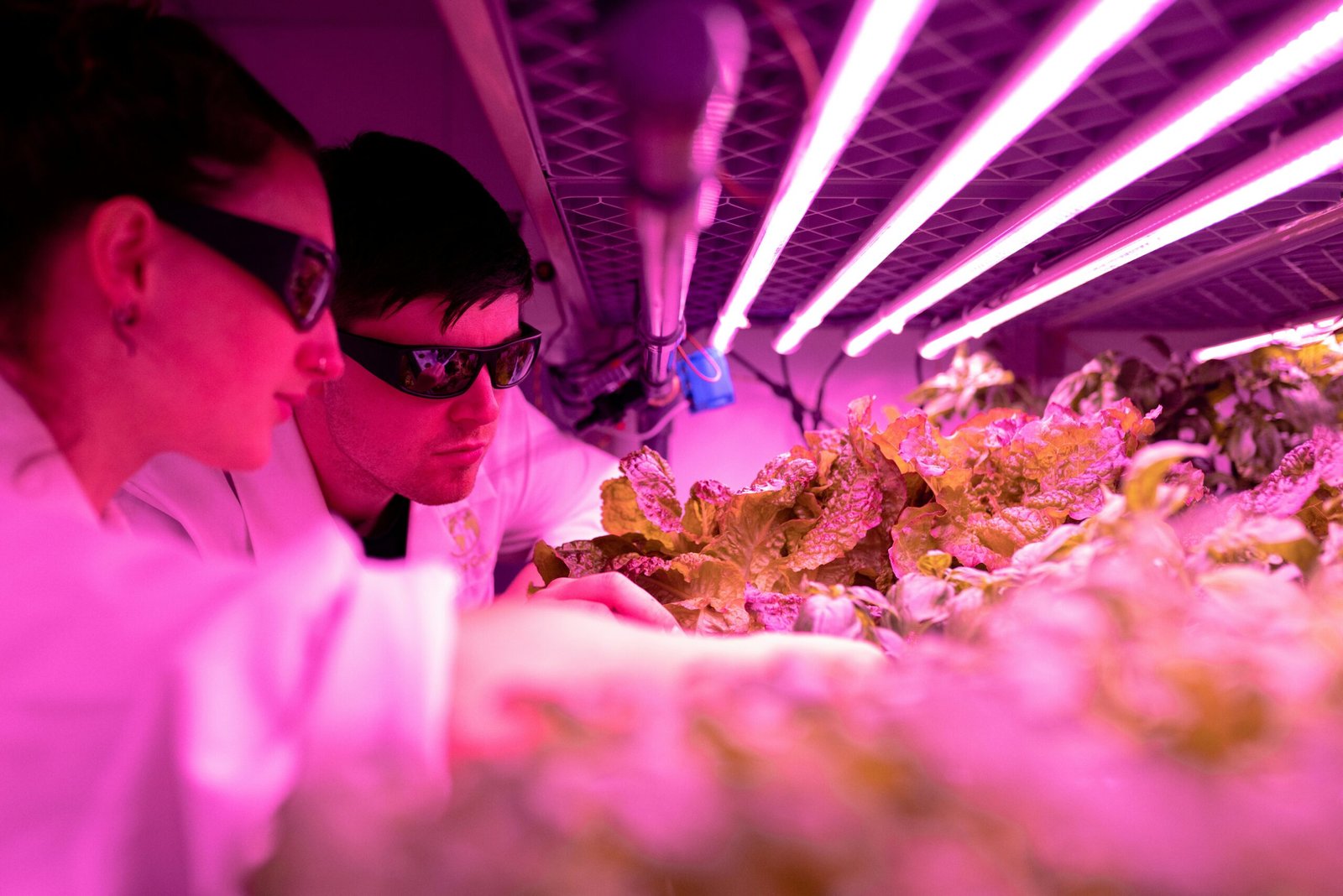
woman in pink long sleeve shirt wearing black sunglasses

Molar Solution (Molarity, M) in MS Media A molar solution contains 1 mole of solute dissolved in 1 liter (L) of solution. In the context of the Murashige and Skoog (MS) medium, molarity is used to prepare stock solutions of macronutrients, micronutrients, and plant growth regulators. For example, MS medium contains 1650 mg/L of NH₄NO₃. … Read more

Essential Precautions for Plant Tissue Culture Practices

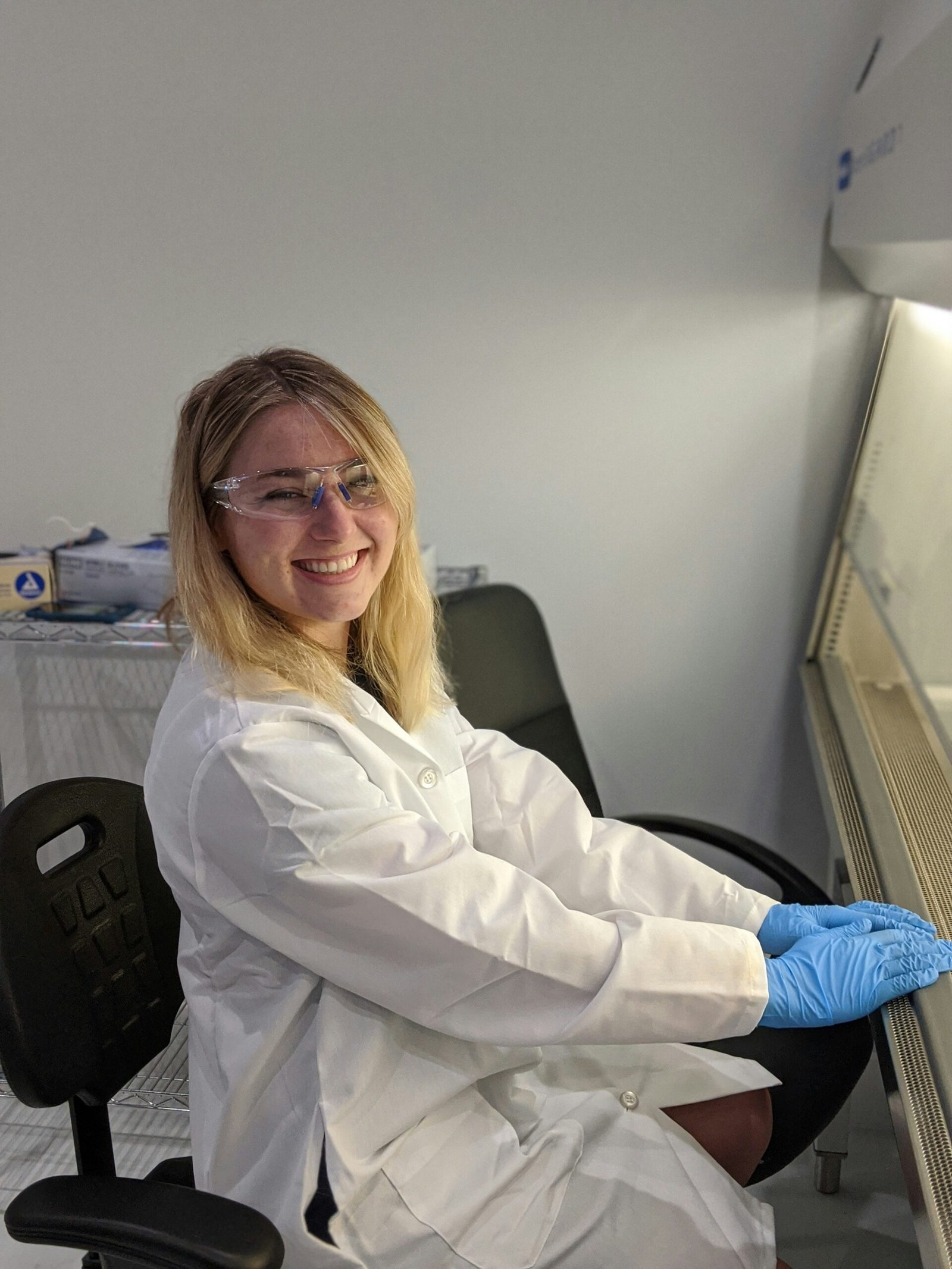
woman in white coat sitting on black chair

Understanding Plant Tissue Culture Plant tissue culture is a sophisticated technique that allows for the growth of plant cells in a controlled environment. This method is widely used for propagation, preservation, and genetic manipulation. However, to achieve successful results, it’s essential to follow strict precautions and safety guidelines. Plant Tissue Culture Precautions and Safety Guidelines … Read more

Unlocking the Secrets of Plant Gene Manipulation in Tissue Culture

a blurry photo of a purple and yellow object

Understanding Plant Tissue Culture Plant tissue culture is a sophisticated technique used to grow plants in a controlled, aseptic environment, utilizing small sections of plant tissue, known as explants. This method has its origins dating back to the early 20th century, with significant advancements made in the 1950s and 1960s. As a pivotal tool in … Read more

Role of Auxin in Somatic Embryogenesis

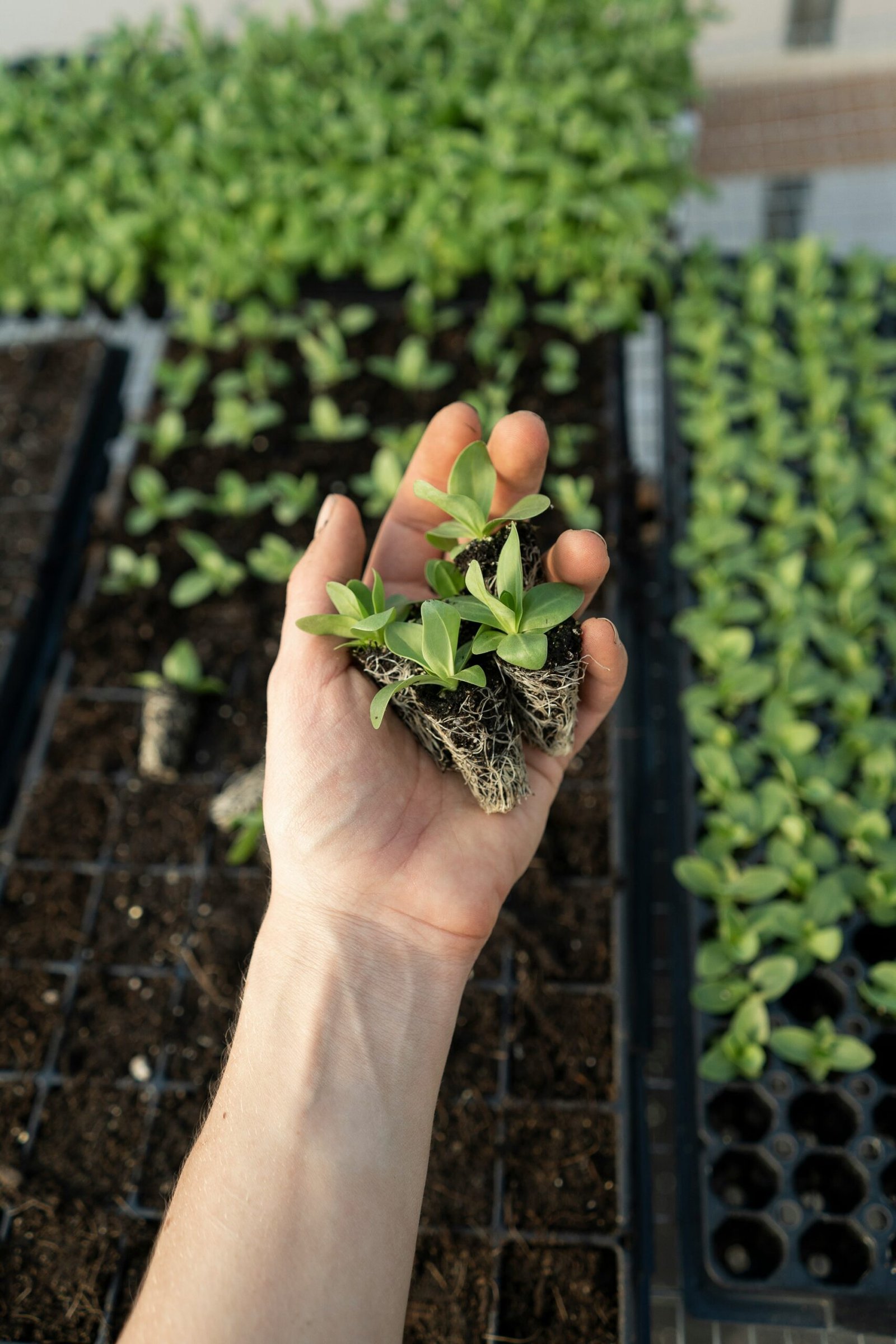
green plant on persons hand

Role of Auxin in Somatic Embryogenesis Auxins play a crucial role in the induction, regulation, and development of somatic embryos in plant tissue culture. Their influence spans multiple stages, from cellular reprogramming to embryo maturation. Below is a detailed overview of auxin’s role in somatic embryogenesis: Stage Role of Auxin Mechanism/Effect Induction Phase Cellular Dedifferentiation … Read more

Understanding Plant Tissue Culture: Basics of Media and Experimental Research

Introduction to Plant Tissue Culture Plant tissue culture is a technique used in laboratory settings to grow plants under sterile conditions. It offers significant advantages, including the rapid multiplication of plant material and the ability to produce disease-free specimens. The fundamental elements of plant tissue culture revolve around the choice of media, experimental design, and … Read more

The Role of Auxin in Plant Tissue Culture

woman in pink long sleeve shirt wearing black sunglasses

What is Auxin? Auxin is a crucial plant hormone that plays an important role in regulating plant growth and development. It is predominantly involved in cell elongation, root formation, and the differentiation of plant tissues. In the context of plant tissue culture, auxin is particularly significant as it influences the regeneration and growth of plant … Read more


Notice: ob_end_flush(): Failed to send buffer of zlib output compression (0) in /home/plantmol/public_html/wp-includes/functions.php on line 5581