
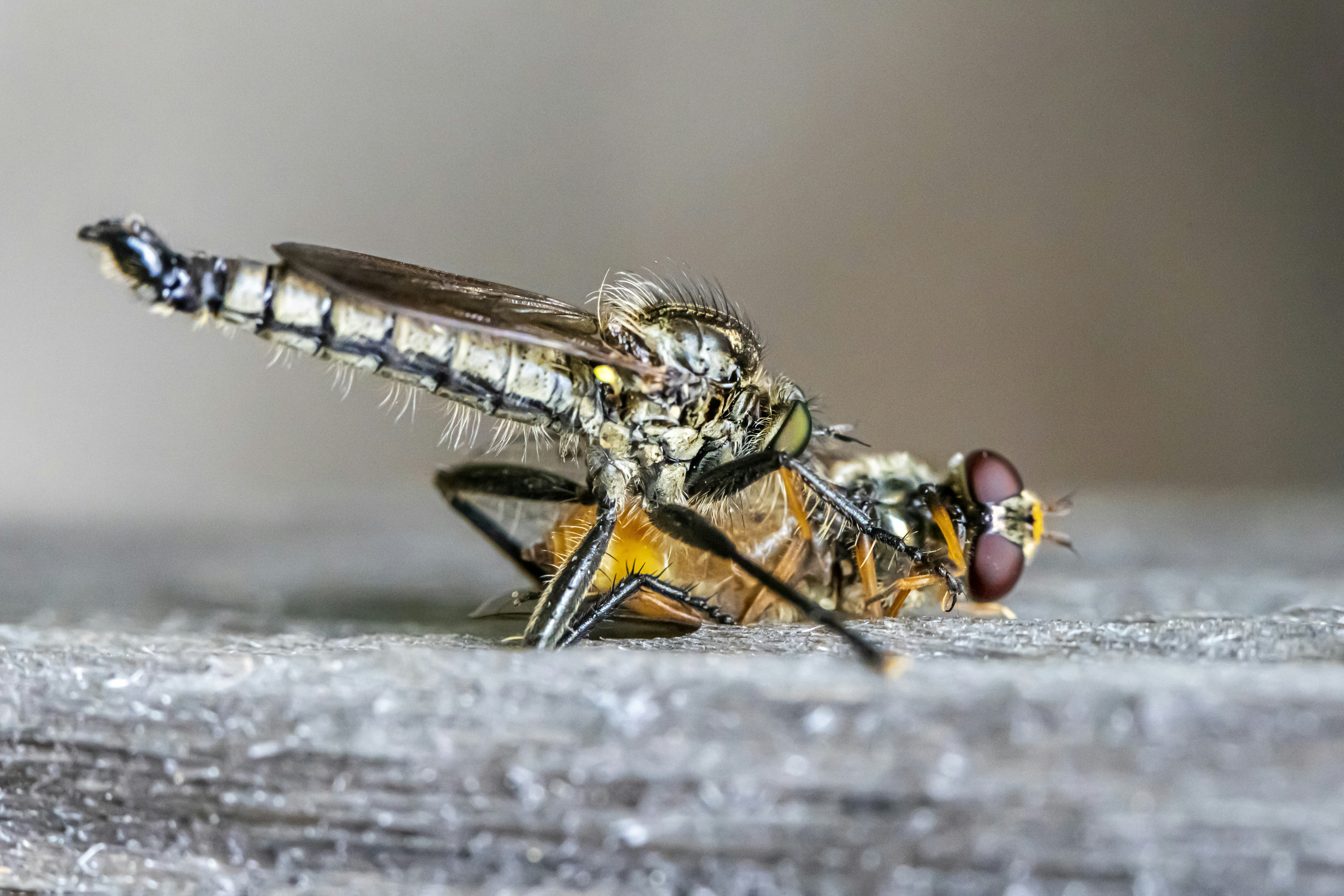
Introduction to Host Specificity
Parasites are fascinating organisms that have evolved over millions of years, often developing a close relationship with their host species. One of the most intriguing aspects of parasitism is the degree of host specificity exhibited by many of these organisms. But why are parasites often highly host-specific?
The Evolutionary Perspective
From an evolutionary standpoint, host specificity often arises from co-evolution between parasites and their hosts. This mutual evolutionary pressure allows parasites to adapt to the unique biological environments provided by their specific hosts. The tighter the parasite can fit into its host’s biological framework, the more effectively it can exploit resources, reproduce, and ensure its survival.
Impact of Host Environment
The environment in which a host species lives also plays a pivotal role in determining host specificity. Factors such as dietary habits, immune responses, and habitat can significantly influence how a parasite interacts with its host. For example, a parasite that thrives in a particular habitat may only find suitable conditions in its specific host, further reinforcing the idea of host specialization.
Overall, the high host specificity observed in many parasites is a product of complex evolutionary dynamics and ecological interactions. Understanding this specialization not only enriches our knowledge of biological systems but also aids in the development of strategies to manage parasitic infections in both humans and wildlife.