
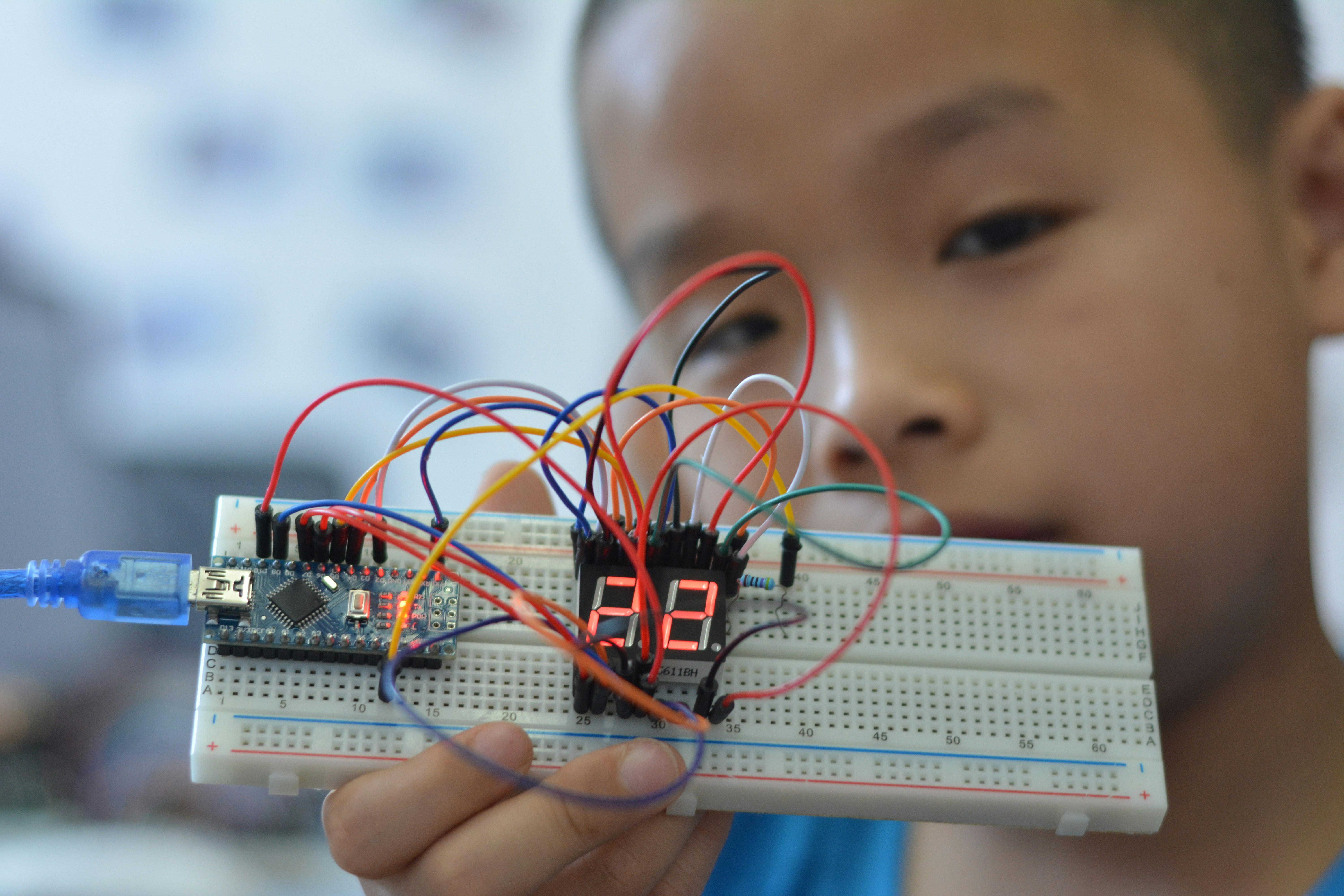
What is an Arduino Board?
The Arduino board is a versatile open-source electronics platform designed for both beginners and experienced developers. It consists of a microcontroller that can read inputs from various sensors and control outputs such as motors, lights, and displays. This flexibility allows users to create a wide range of innovative projects, from simple LED blinkers to complex robotic systems.
Components of an Arduino Board
An Arduino board typically features several key components. These include the microcontroller, digital and analog input/output pins, power supply socket, and a USB connection for programming. The microcontroller processes the input it receives and executes the programmed instructions, making it the heart of the board. Understanding these components is essential for effectively utilizing the Arduino board in your projects.
Getting Started with Your First Arduino Project
To start using an Arduino board, you will need the Arduino Integrated Development Environment (IDE) for writing code. The IDE supports a variety of programming languages, most commonly C and C++. Once you have the necessary software, connect your Arduino to your computer, choose the correct board type in the IDE, and upload your code. With just a few lines, you can make your Arduino react to inputs or control outputs, allowing for endless possibilities in your creations.