
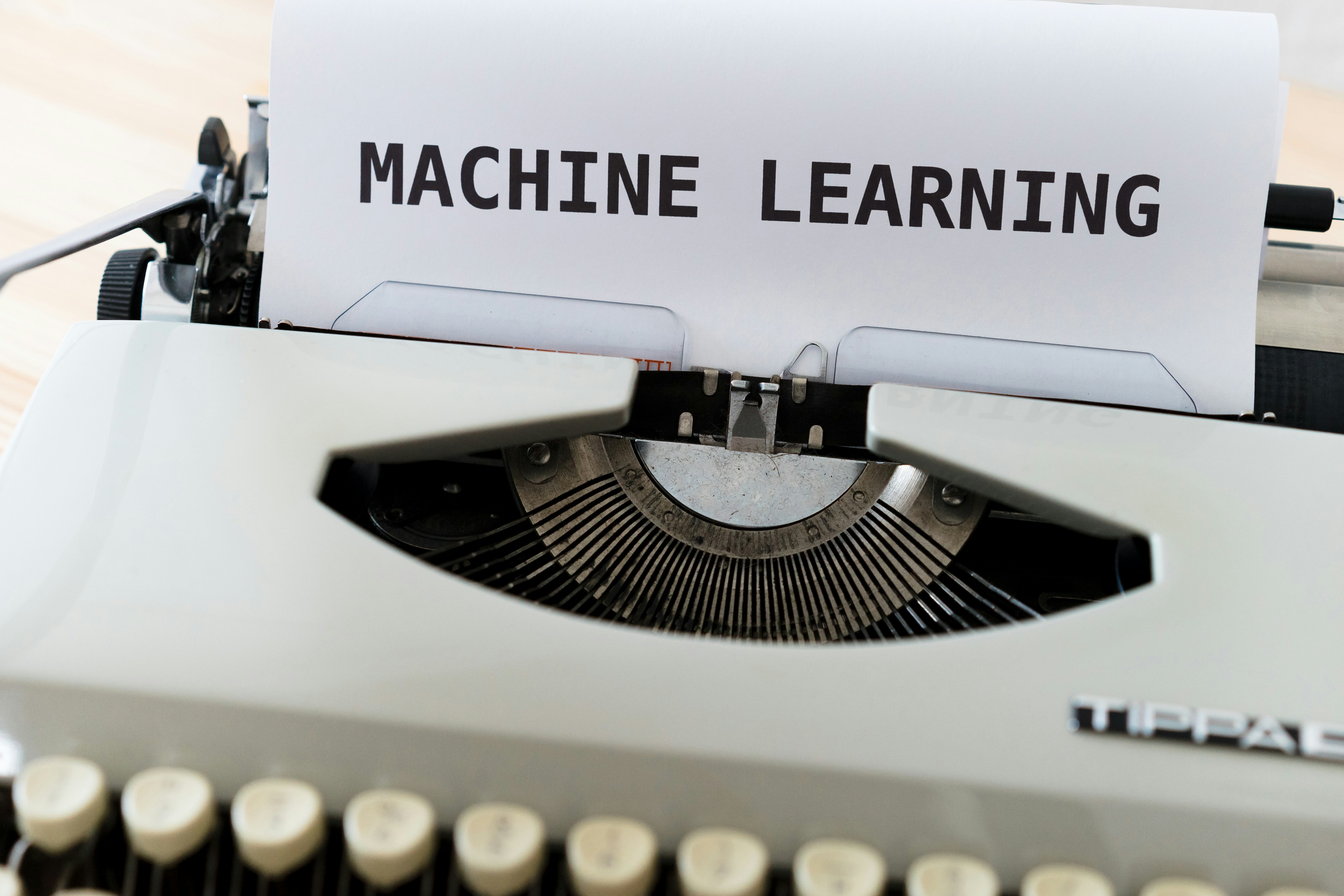
What is Machine Learning?
Machine learning is a subset of artificial intelligence that focuses on the development of algorithms that allow computers to learn from and make predictions based on data. Unlike traditional programming, where specific instructions are given, machine learning enables systems to identify patterns and improve their performance over time without direct human intervention.
The Importance of Machine Learning
The significance of machine learning lies in its wide range of applications across various industries. From predictive analytics in finance to personalized recommendations in e-commerce, machine learning helps businesses derive actionable insights from large datasets. This capability not only enhances operational efficiency but also drives innovation by enabling new functionalities and improving user experiences.
How Does Machine Learning Work?
At its core, machine learning operates on the principle of training models with vast amounts of data. These models use statistical techniques to recognize trends and make informed decisions. There are several types of machine learning, including supervised learning, unsupervised learning, and reinforcement learning, each serving distinct purposes and applications. Supervised learning, for instance, involves training a model on labeled data to predict outcomes, while unsupervised learning seeks to find hidden patterns in unlabeled data.