
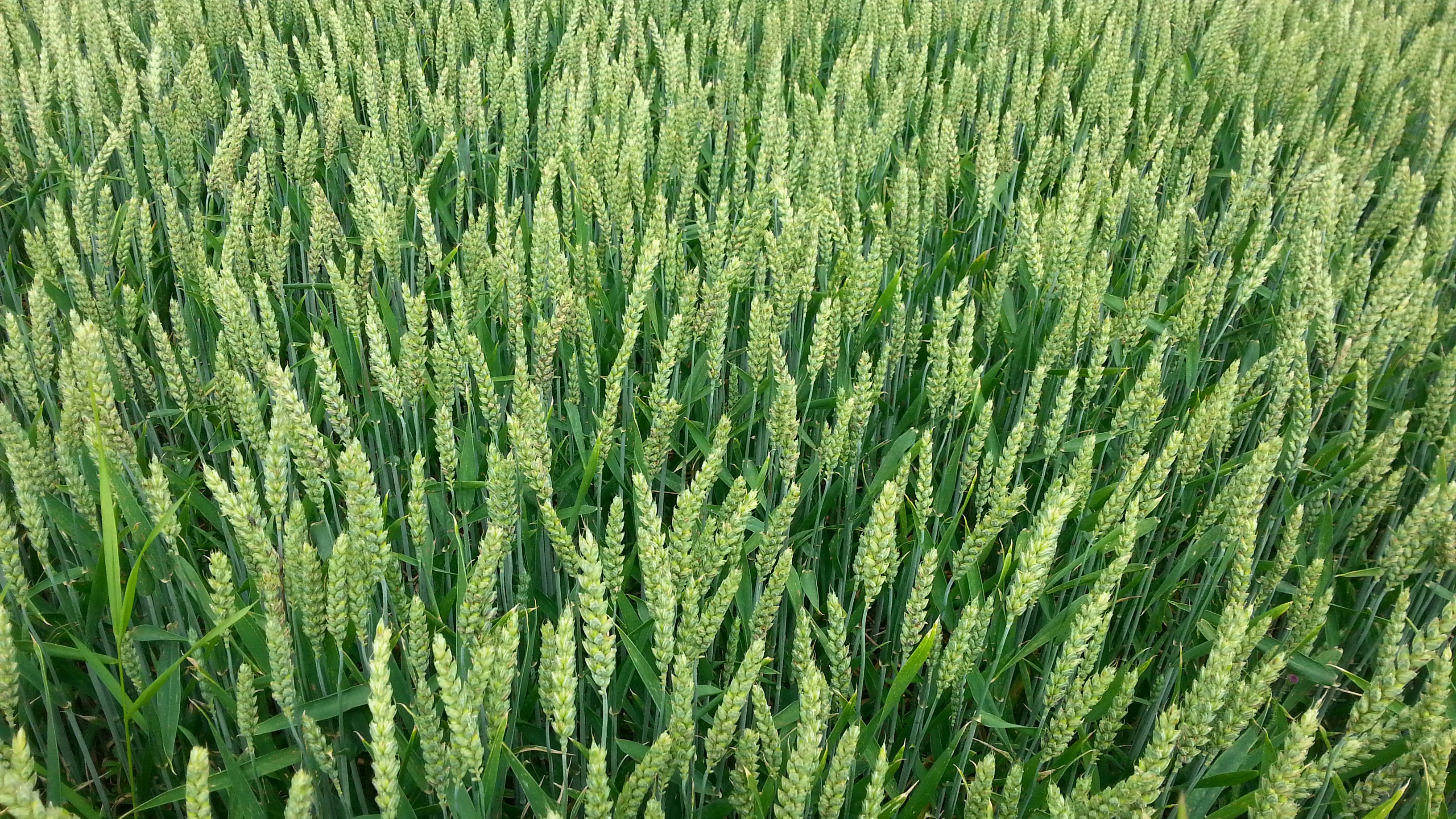
Overview of Wheat Production in Pakistan
Pakistan plays a significant role in global wheat production, with substantial contributions to local and export markets. The climatic conditions and agricultural practices in the region directly influence wheat yield, making consistent monitoring imperative for farmers and stakeholders alike.
Effects of Recent Rainfall
During the last week of March, Pakistan experienced significant rainfall, impacting wheat production practices substantially. While rain is essential for crop growth, excessive precipitation can lead to potential risks such as waterlogging and delayed harvesting. In regions where wheat is planted extensively, such rain can either bolster production if well-timed or hinder it based on soil conditions and management strategies.
Strategies for Adapting to Weather Variability
To navigate the unpredictability of weather, farmers are urged to adopt resilient wheat production practices, especially during critical periods like March when rainfall is common. Strategies include improving drainage systems, selecting drought-resistant and rain-tolerant wheat varieties, and implementing timely interventions such as altering planting schedules to mitigate the adverse effects of unexpected rains. By effectively managing these elements, wheat farmers in Pakistan can enhance their production quality and quantity.