
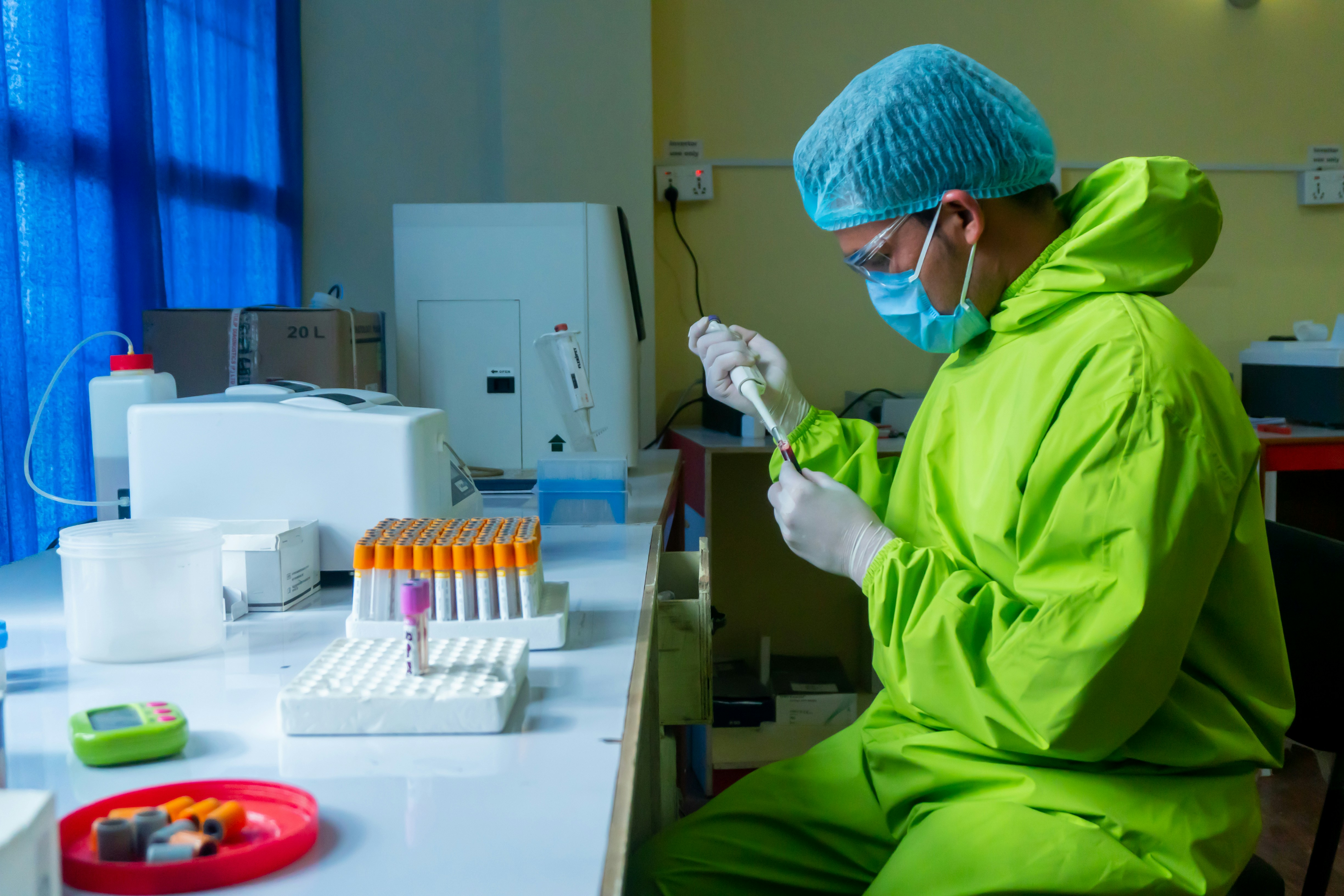
Understanding Biosafety in Biostatistics
Biosafety is paramount in the field of biostatistics, especially for students at Punjab University. The course content focuses on ensuring safe handling, management, and disposal of biological materials. By emphasizing the principles of biosafety, students learn to identify potential risks and implement appropriate safety protocols that protect both human health and the environment. This foundational knowledge is critical for aspiring biostatisticians in developing effective research methods while safeguarding public health.
The Role of Ethics in Biostatistical Research
Ethics plays a vital role in guiding the integrity and accountability of biostatistical research. The curriculum at Punjab University delves into various ethical principles governing research involving human subjects and biological materials. Students explore case studies that illustrate ethical dilemmas and the importance of ethical decision-making in biostatistics. Understanding these ethical considerations not only fosters responsible research but also enhances the credibility of biostatistical findings in the scientific community.
Integration of Biosafety and Ethics in Coursework
The integrated approach of combining biosafety and ethics within the biostatistics curriculum at Punjab University prepares students to meet the challenges of modern research. Through hands-on learning experiences, students engage in discussions and simulations that highlight the importance of ethical practices in research methodologies. This comprehensive course content ensures that graduates are not only skilled in statistical analysis but are also equipped with a strong ethical foundation and a clear understanding of biosafety protocols.
📘 Biosafety and Ethics – Suggested Course Content
(Aligned with Punjab University BS/MSc programs and comparable syllabi)
✅ 1. Introduction to Biosafety
-
Definition, concept, and importance of biosafety
-
Historical development of biosafety standards
-
Types of biological hazards (biohazards)
-
Classification of organisms by risk group
-
Biosafety levels (BSL-1 to BSL-4) and laboratory containment
✅ 2. Laboratory Safety & Good Practices
-
Personal protective equipment (PPE)
-
Safe handling and disposal of biological materials
-
Decontamination procedures
-
Laboratory monitoring and personnel biosafety
-
Chemical and physical hazards in the lab
✅ 3. Biohazards & Risk Assessment
-
Biological risks in microbiology and molecular genetics
-
Risk assessment strategies
-
Biosecurity principles – preventing misuse or theft of biological agents
-
Biological waste management
-
Public health implications
✅ 4. Biosafety Regulations and Guidelines
-
International biosafety frameworks (WHO, CDC, UN guidelines)
-
National laws and regulatory bodies
-
Biosafety compliance and accreditation
-
Biosafety manuals and standard operating procedures (SOPs)
✅ 5. Introduction to Bioethics
-
Definition and scope of bioethics
-
Ethical philosophies and moral reasoning
-
Role of ethics in biological research
-
Bioethics committees and institutional review boards
✅ 6. Ethical Issues in Biotechnology
-
Genetic engineering – benefits, risks, and controversies
-
Genetically Modified Organisms (GMOs) in agriculture and food
-
Intellectual Property Rights (IPR), patents, and commercialization impacts
✅ 7. Human Biology Ethical Topics
-
Reproductive technologies (IVF, GIFT, surrogacy)
-
Genetic screening and gene therapy
-
Euthanasia, right-to-die, and advance directives
-
Organ transplantation and xenotransplantation
✅ 8. Research Ethics & Scientific Integrity
-
Responsible conduct of research
-
Data reporting and reproducibility
-
Plagiarism, authorship, and publication ethics
-
Conflict of interest and informed consent
✅ 9. Environmental and Societal Ethics
-
Environmental ethics and ecological responsibility
-
Ethical implications of synthetic biology
-
Benefit-sharing and community engagement