

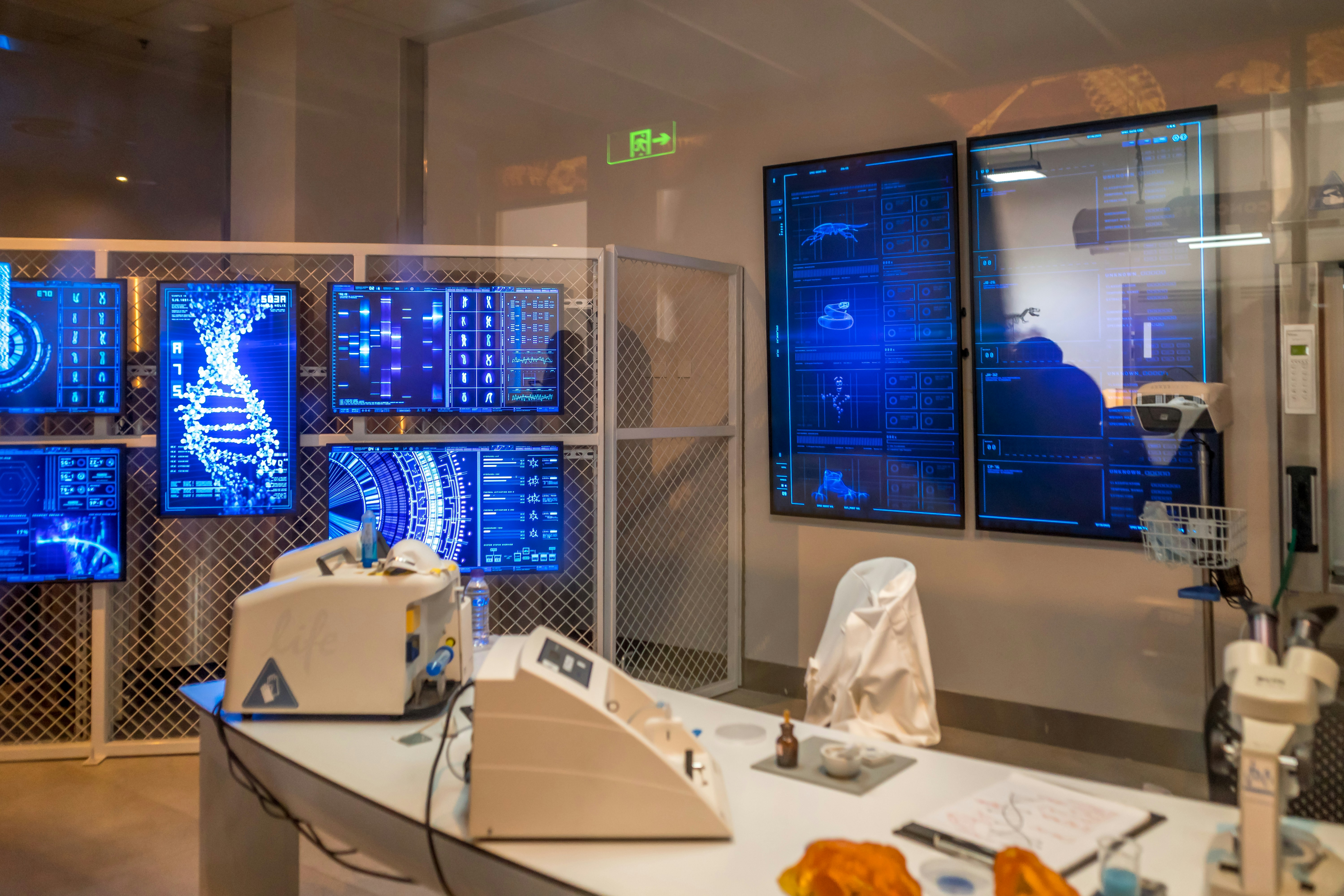
Understanding Biology: The Science of Life
Biology, often referred to as the science of life, is an expansive field that encompasses the study of living organisms, their interactions with one another, and their environments. This scientific discipline is fundamental in understanding the complexities of life, ranging from the molecular mechanisms within cells to the intricate dynamics of ecosystems. At its core, biology seeks to explain the processes that govern life, including growth, reproduction, adaptation, and evolution.
Several branches of biology contribute to the overall understanding of the living world. These include but are not limited to, microbiology, which focuses on microorganisms; molecular biology, that examines biological processes at the molecular level; ecology, which studies interactions between organisms and their environments; and zoology, dedicated to the study of animals. Each of these branches offers unique insights into the various aspects of life, highlighting the interconnectedness of all living things.
The significance of studying biology extends beyond traditional scientific inquiries; it plays a crucial role in the realms of technology and innovation, especially for students in digital media. Knowledge of biological systems can inform design principles, enhance content accuracy, and provide greater context in fields such as animation, video game development, and educational content creation. For instance, understanding human anatomy can assist in creating realistic characters, while knowledge of ecosystem dynamics can enhance narrative depth and authenticity in storytelling.
Ultimately, studying biology not only enhances one’s comprehension of life processes but also equips digital media students with the necessary tools to apply this knowledge creatively. By integrating biological concepts into their work, these students can bridge the gap between science and art, fostering a deeper connection with their audience.
The Intersection of Biology and Digital Media
The intersection of biology and digital media presents a fascinating convergence of artistic expression and scientific understanding. As various disciplines within digital media continue to evolve, the integration of biological knowledge has proven instrumental in crafting visual narratives that resonate with audiences. Fields such as graphic design, animation, and interactive media heavily rely on a comprehension of biological principles to create content that is both educational and engaging.
Graphic design, for instance, often draws inspiration from the intricate patterns and forms found in nature. The use of organic shapes and colors can evoke themes of growth and life, allowing designers to capture the essence of living organisms in their work. When biology is combined with visual design, it not only enhances aesthetic appeal but also aids in conveying messages about sustainability, conservation, and the importance of biodiversity to the viewer.
Animation is another domain where biology plays a pivotal role. Whether depicting the movement of animals or illustrating cellular processes, animated content can visualize complex biological concepts in an easily digestible format. For example, animated sequences demonstrating the human circulatory system can help educate students on how blood flows and interacts within the body, thus bridging the gap between abstraction and real-life biology.
Moreover, interactive media platforms, such as educational apps and games, utilize biological themes to engage users in a unique and immersive way. By incorporating elements of biology into interactive experiences, developers can create scenarios that allow individuals to explore ecosystems, learn about genetics, or simulate biological processes firsthand. This approach fosters a deeper understanding of biological concepts and encourages users to think critically about the implications of science in their everyday lives.
Key Biological Concepts Every Digital Media Student Should Know
Understanding key biological concepts is vital for digital media students seeking to create content that resonates with scientific accuracy and depth. First and foremost, the theory of evolution is a fundamental concept that explains the diversity of life on Earth. This theory posits that species undergo gradual changes over generations through natural selection, adaptation, and genetic variation. Incorporating elements of evolution into digital media projects can enrich discussions around species representation and environmental themes.
Another significant area of knowledge is cellular biology, which focuses on the structure and function of cells. Cells are the basic units of life, and understanding how they operate is crucial for creating content that depicts biological processes accurately. Students can explore techniques to illustrate cellular structures, such as membranes, nuclei, and organelles, which can be pivotal in educational animations or illustrations.
Genetics also plays a critical role in biology and provides insight into heredity and variation among organisms. Understanding fundamental concepts like DNA, genes, and chromosomes can help digital media students in creating narratives or visuals that touch upon genetic topics, such as genetic engineering or hereditary diseases. Such insights can foster the creation of thought-provoking content that engages viewers on societal and ethical levels.
Furthermore, the concept of ecosystems serves as a bridge between organisms and their environment, highlighting interactions among species and their habitats. This knowledge can inspire digital media students to create immersive experiences that reflect ecological balance, biodiversity, or conservation efforts. By grasping these fundamental biological concepts, students in digital media can unveil a deeper narrative layer, resulting in more responsible and informative content.
The Role of Visualization in Biology and Digital Media
In the realm of biology, visualization plays a vital role in enhancing the understanding of complex biological concepts and data. This is particularly relevant for digital media students, who can harness these visual elements to create more effective educational content. Biological information, which often involves intricate processes at the cellular or molecular level, can be challenging to grasp without the aid of visual tools. Here, visualization in the form of infographics, diagrams, and 3D models becomes an indispensable asset.
Infographics, for example, synthesize intricate biological data into easily understandable formats, allowing students and educators alike to absorb substantial information efficiently. They distill large datasets or lengthy processes into visually appealing graphics that highlight key points without overwhelming the viewer. Meanwhile, the emergence of 3D modeling technologies has allowed for interactive learning experiences, enabling students to visualize biological structures such as cells or organs in a dynamic environment. This not only increases engagement but also fosters a deeper comprehension of the subject matter.
Furthermore, visual representation in digital media can facilitate the teaching of abstract biological concepts. When students can visualize processes like mitosis or photosynthesis, they are more likely to retain information and develop a foundational understanding of the topic. The ability to manipulate visuals—such as rotating a 3D model or zooming in on a particular element—creates an immersive educational experience that traditional textbook learning may lack.
Incorporating visualization techniques into biology education is essential for enhancing overall engagement and comprehension. As digital media continues to evolve, the effective use of visual aids will remain crucial in teaching complex biological concepts, bridging the gap between abstract theory and tangible understanding. Therefore, it is important for digital media students to develop skills in visual literacy to effectively communicate biological information.
Tools and Technology: Bridging Biology and Digital Media
In the contemporary landscape of education and research, the integration of biology and digital media is facilitated by an array of innovative tools and technologies. These resources not only enhance the understanding of complex biological concepts but also foster creativity in presenting scientific information. One prominent area is bioinformatics, which leverages computational tools to analyze biological data. Bioinformatics software allows students and researchers to process large datasets, such as genomic sequences, providing insights into genetic research and evolution.
Another vital segment of technology facilitating the bridging of biology and digital media is digital animation. Various software packages enable the creation of detailed animations that illustrate intricate biological processes, such as cellular functions, enzymatic reactions, and ecological systems. Through visual storytelling, these animations not only simplify the learning process but also engage audiences by bringing static information to life.
Simulation platforms represent another crucial advancement in the convergence of biological sciences and digital media. Such platforms can recreate dynamic biological scenarios, allowing students to experiment and observe outcomes in a controlled virtual environment. For example, simulations can model ecological interactions or simulate genetic variations, providing learners with a practical understanding of theoretical concepts. This experiential learning approach is pivotal for enhancing knowledge retention and developing critical thinking skills.
Additionally, collaboration tools such as online forums and virtual labs are invaluable for students and educators alike. They offer spaces for discussion and cooperative projects surrounding biological topics, merging digital media capabilities with traditional learning methods. Overall, these tools and technologies are vital in making biology accessible, engaging, and relevant in today’s digital era, ultimately bridging the gap between scientific inquiry and creative expression.
Case Studies: Successful Projects Integrating Biology and Digital Media
In recent years, the intersection of biology and digital media has led to various innovative projects, showcasing the potential for creative expression while educating audiences about biological concepts. One particularly noteworthy project is the documentary series “Planet Earth II,” produced by the BBC. This series employs groundbreaking filming techniques to provide viewers with an immersive experience of the natural world. Through high-definition visuals and narrative storytelling, it captivates audiences with the intricacies of ecosystems, biodiversity, and the impact of human activity on wildlife. Such documentaries not only engage viewers but also raise awareness about conservation efforts.
Another compelling example is the educational video game “Kerbal Space Program,” which integrates principles of physics and biology, allowing players to build and manage their own space program. Although primarily focused on space exploration, the game incorporates biological factors crucial for sustaining life in extraterrestrial environments. Players must manage resources meticulously and understand biological needs, thereby enhancing their problem-solving skills in a fun and interactive manner.
Furthermore, digital art installations like “The Living Architecture Project” combine biology and technology to explore sustainable living solutions. This initiative showcases how biological processes can be integrated into architectural designs through bioluminescent materials and living walls that adapt to their environments. By engaging the public through such interactive installations, the project emphasizes the importance of biology in innovative design solutions.
Collectively, these case studies illustrate how digital media can effectively communicate complex biological concepts. By merging engaging storytelling, interactive gameplay, and cutting-edge technology, these projects demonstrate the potential of digital platforms to educate and inspire audiences about the wonders of biology.
Ethical Considerations in Biological Representation
In the field of digital media, particularly when conveying biological information, ethical considerations play a crucial role. As digital media students and creators, it is imperative to prioritize accuracy and integrity when presenting scientific content. The representation of biological data and concepts can significantly influence public understanding and perceptions of science. Therefore, it is the responsibility of creators to ensure that the information shared is rooted in factual scientific research.
One major ethical concern is the potential for misrepresentation of biological facts. Distortion or oversimplification of scientific information can lead to misconceptions among audiences, ultimately affecting public opinion and behavior. For instance, inaccurate portrayal of genetic engineering might foster unwarranted fear or excitement, depending on the narrative constructed. Thus, creators must craft their content with caution, grounding facts in reputable scientific literature and highlighting the nuances of biological research.
Furthermore, transparency is an essential element in ethical representation. Digital media creators should uphold honesty about their sources and the boundaries of scientific understanding. Communicating the variability and evolving nature of biological studies can foster a more informed audience. In instances of speculative or controversial science—such as topics surrounding climate change or emerging technologies—acknowledging differing viewpoints or theories is critical in upholding journalistic integrity.
Ultimately, creators have a profound responsibility to convey biological truths effectively and ethically. By doing so, they can contribute to an accurate public comprehension of biological sciences, fostering a culture of critical thinking and informed discourse. As digital media becomes an increasingly dominant platform for knowledge dissemination, the ethical obligations to present biology accurately cannot be overstated. Upholding these standards is vital not only for the credibility of the individual creator but also for the integrity of the scientific community at large.
Future Trends: The Ongoing Relationship Between Biology and Digital Media
The relationship between biology and digital media is evolving rapidly, influenced by the constant advancements in technology and biotechnology. One of the prominent trends includes the development of augmented reality (AR) applications designed specifically for biology education. These applications enhance the learning experience by providing interactive environments where students can engage with biological concepts in an immersive manner. For instance, using AR, students can visualize cellular processes or anatomical structures in three dimensions, which significantly aids comprehension and retention of complex biological information.
Moreover, the integration of biotechnology with digital platforms is transforming research methodologies and data sharing in biology. With the rise of precision medicine and personalized treatment strategies, digital media plays a pivotal role in disseminating discoveries and educating the public on advancements in the field. Social media, in particular, has become a crucial tool for biologists and healthcare professionals to communicate their findings, engage with broader audiences, and raise awareness of important biological issues such as climate change and biodiversity loss.
Furthermore, data visualization techniques are becoming increasingly sophisticated, allowing for clearer representation of biological data. As the amount of genomic and biological data generated expands at an unprecedented rate, the ability to interpret this information visually will be essential for both academic research and clinical applications.
The continued exploration of artificial intelligence (AI) in the biological sciences also indicates promising future developments. AI can assist in analyzing large datasets, predicting biological responses, and even in drug discovery processes. As these technologies mature, they are likely to deepen the collaboration between biology and digital media, paving the way for innovative educational and research methodologies.
Conclusion: Embracing Biology in Digital Media Design
In the journey through the multifaceted world of biology, digital media students can discover an invaluable resource that significantly enhances their creative endeavors. Understanding biological concepts can not only inspire innovative design solutions but also infuse digital projects with depth and authenticity. As explored throughout this guide, the intersection of biology and digital media offers numerous opportunities for creativity, enabling students to draw inspiration from the intricacies of nature.
The integration of biological principles into digital design is essential for creating meaningful, engaging content. Students who grasp these concepts can utilize them effectively to foster original ideas that resonate with audiences. Learning about organic forms and natural patterns can provide a rich source of inspiration, allowing for the development of distinctive visual styles that draw from the beauty of the living world. Furthermore, incorporating biological themes can enhance storytelling within digital media, offering more compelling narratives that connect with viewers on a deeper level.
Moreover, as the digital media landscape continues to evolve, the demand for creative solutions rooted in biological understanding will likely increase. By embracing biology, digital media students can place themselves at the forefront of innovation, leading the charge in merging creative design with scientific insight. This approach not only broadens their own skill sets but also contributes significantly to the advancement of the field as a whole.
In conclusion, the understanding and application of biological concepts in digital media design are paramount. By nurturing this relationship, students can elevate their work, inspire others, and contribute to a more thoughtful and creative industry. The wonders of biology await, ready to spark the imagination and drive the next wave of innovation in digital design.
