

Introduction to Chromosomes in Genomics
Chromosomes are long strands of DNA that house our genetic material. They play a crucial role in the process of heredity and are fundamental to the study of genomics. In genome-wide analysis, understanding the structure and organization of chromosomes is vital for deciphering genetic information.
The Concept of Scaffolds in Genome Assembly
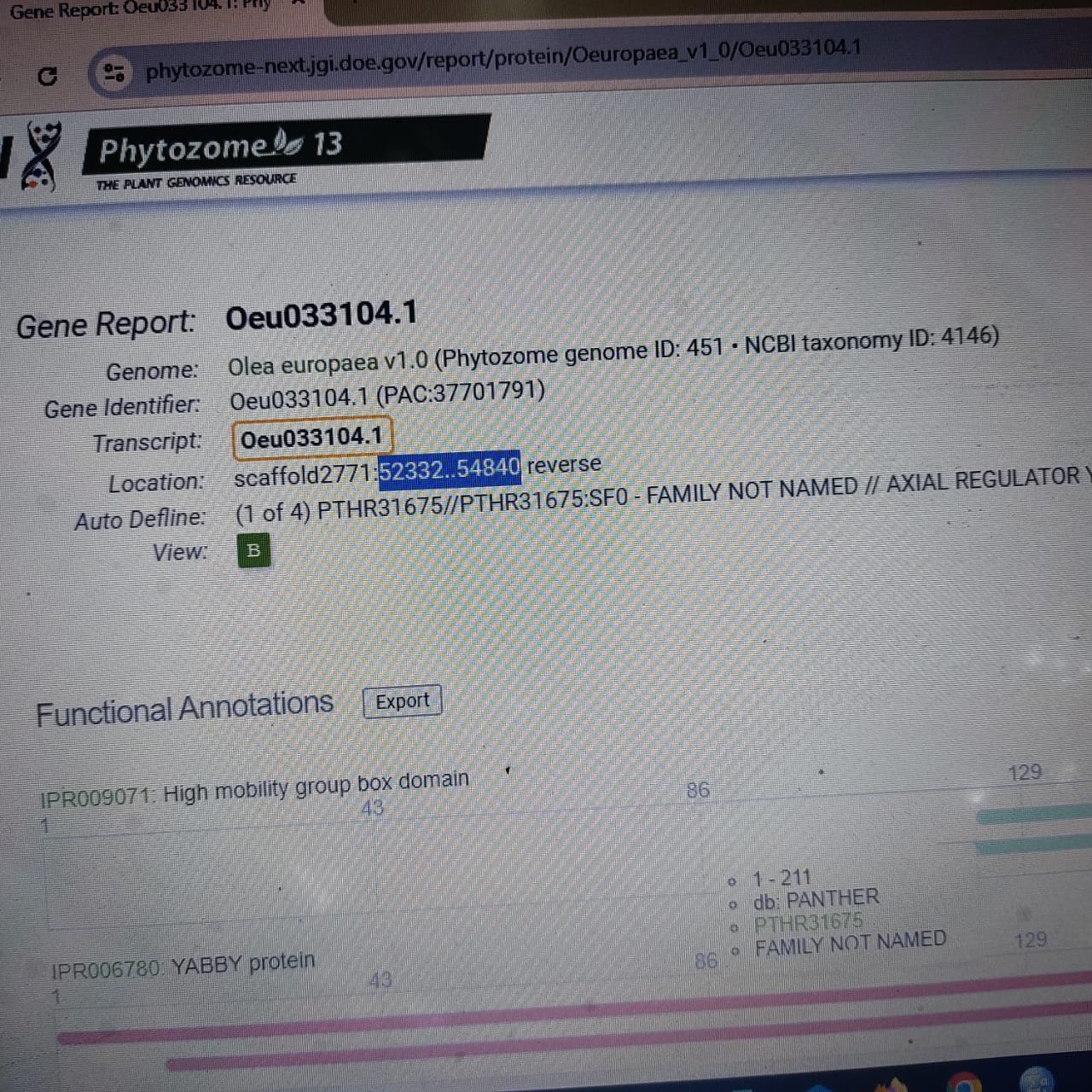
In the realm of genomics, a scaffold refers to a set of contigs anchored by known landmarks, such as genetic markers. Scaffolds are useful for organizing contigs into a larger framework, which can facilitate the interpretation of genomic sequences. By using scaffolds, researchers can construct a more coherent view of the genome, promoting analysis on a broader scale.
Contigs: The Building Blocks of Genomic Analysis
In summary, chromosomes, scaffolds, and contigs are integral components in genome-wide analysis. By elucidating their roles, researchers can gain valuable insights into the structure, function, and evolution of genomes, paving the way for advances in genetics and molecular biology.

Step 3 Understanding Source Accession, Chromosome Length, and Protein Length in Genome-Wide Analysis